Welcome to Santa Barbara, CA
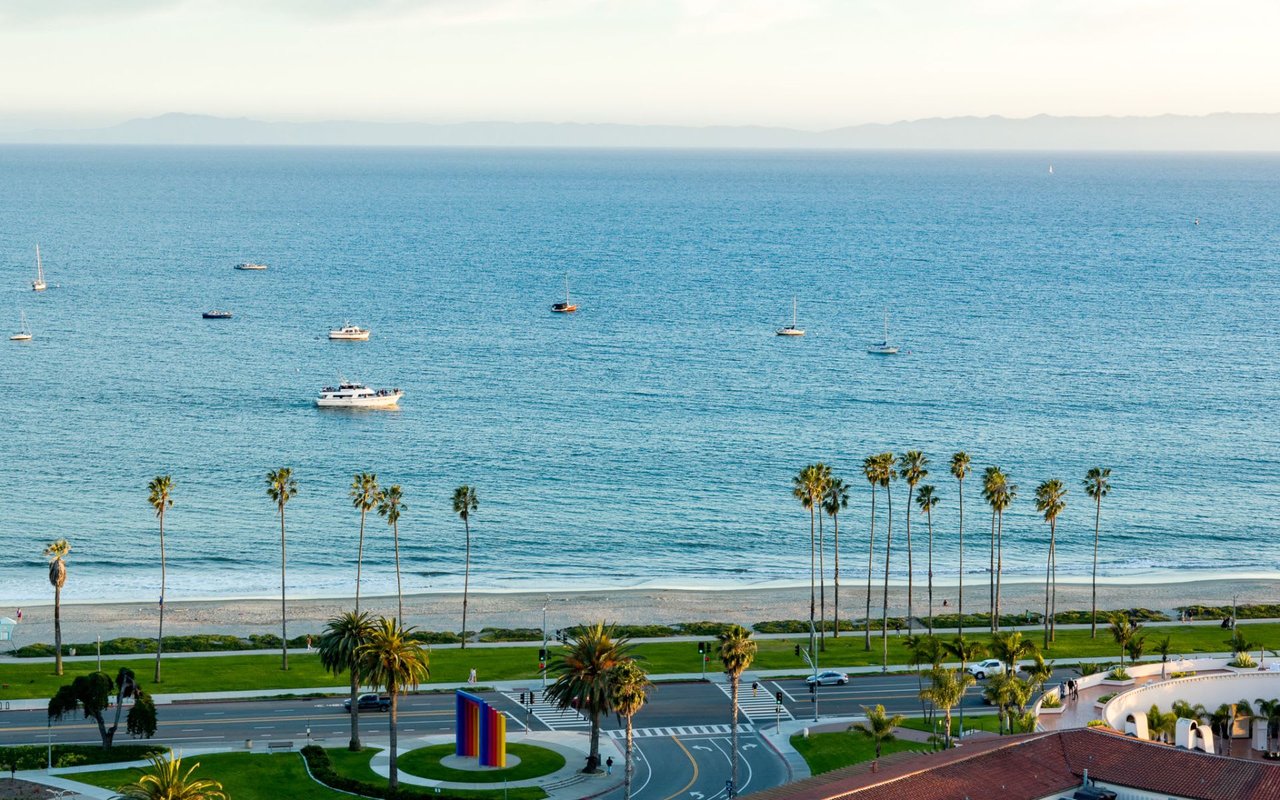
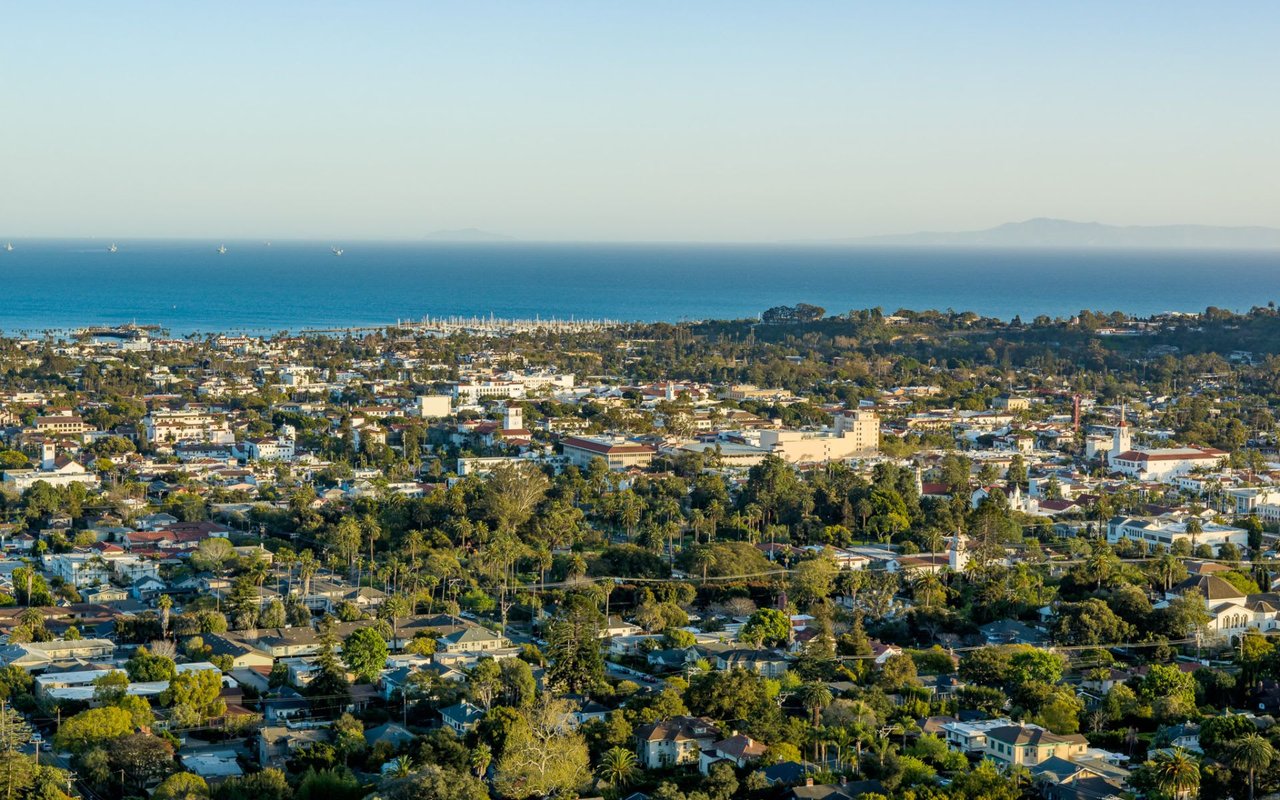
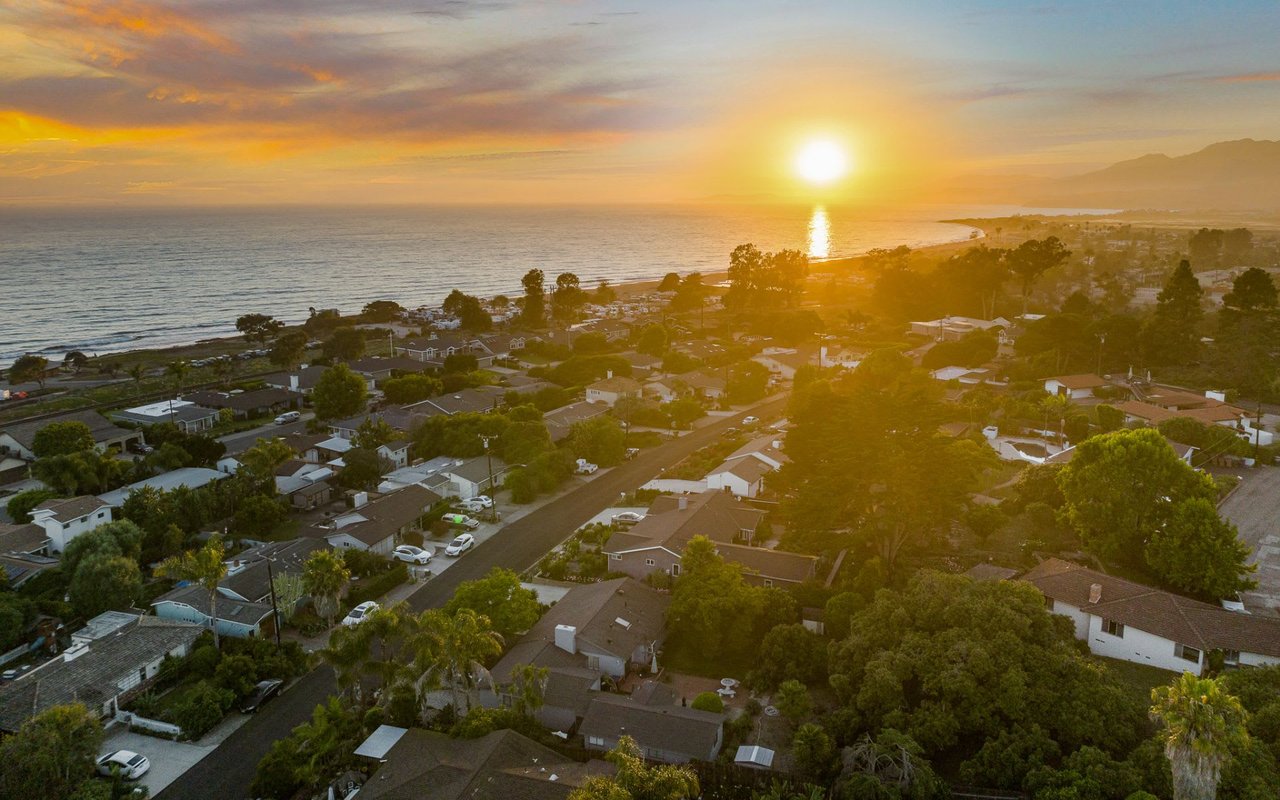
Santa Barbara sits between the Santa Ynez Mountains and the Pacific Ocean along California's Central Coast, 92 miles north of Los Angeles. Known as the "American Riviera," this coastal city of roughly 90,000 residents delivers a Mediterranean climate, Spanish Colonial Revival architecture, and a sophisticated yet laid-back lifestyle.
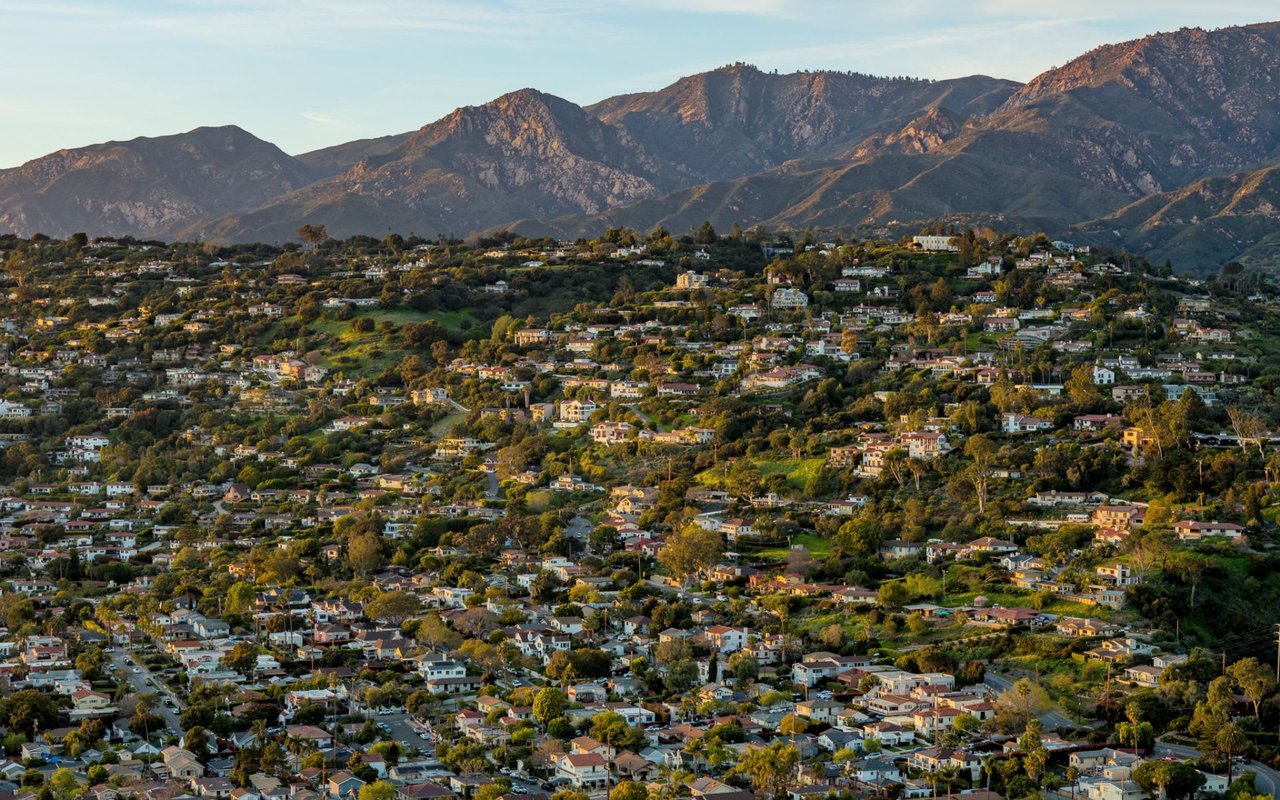
The city's 28 distinct neighborhoods range from beachfront enclaves like the Mesa and West Beach to hillside communities such as the Riviera and Mission Canyon. Downtown centers on pedestrian-friendly State Street, lined with shops, restaurants, and galleries housed in white stucco buildings with red-tile roofs. Hope Ranch offers gated privacy and equestrian trails, while Montecito attracts ultra-wealthy buyers seeking oceanfront estates.
Residents are predominantly affluent professionals, retirees, UCSB faculty, tech entrepreneurs, and second-home owners. The lifestyle emphasizes outdoor recreation—surfing, hiking, cycling—combined with access to wine country, world-class dining, and cultural institutions including the Santa Barbara Bowl and Granada Theatre. Quality of life, not nightlife, drives appeal.
History
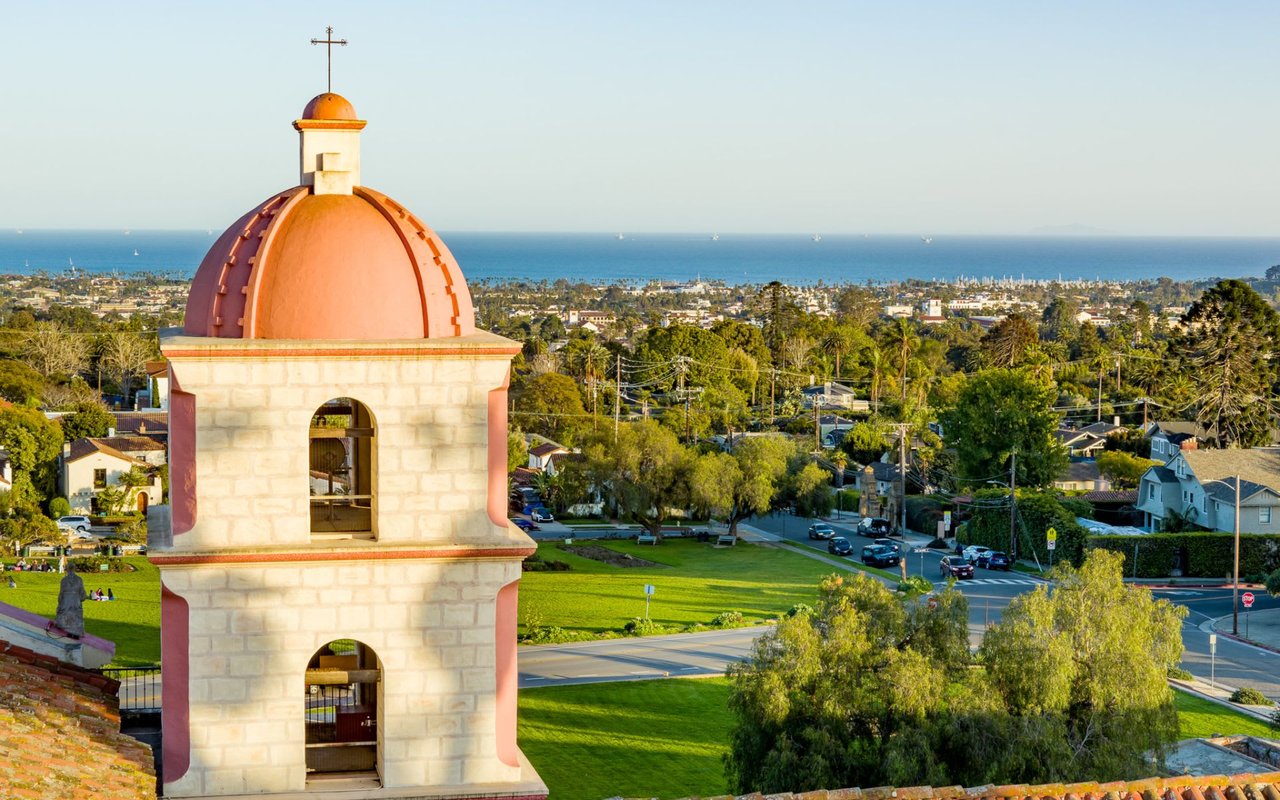
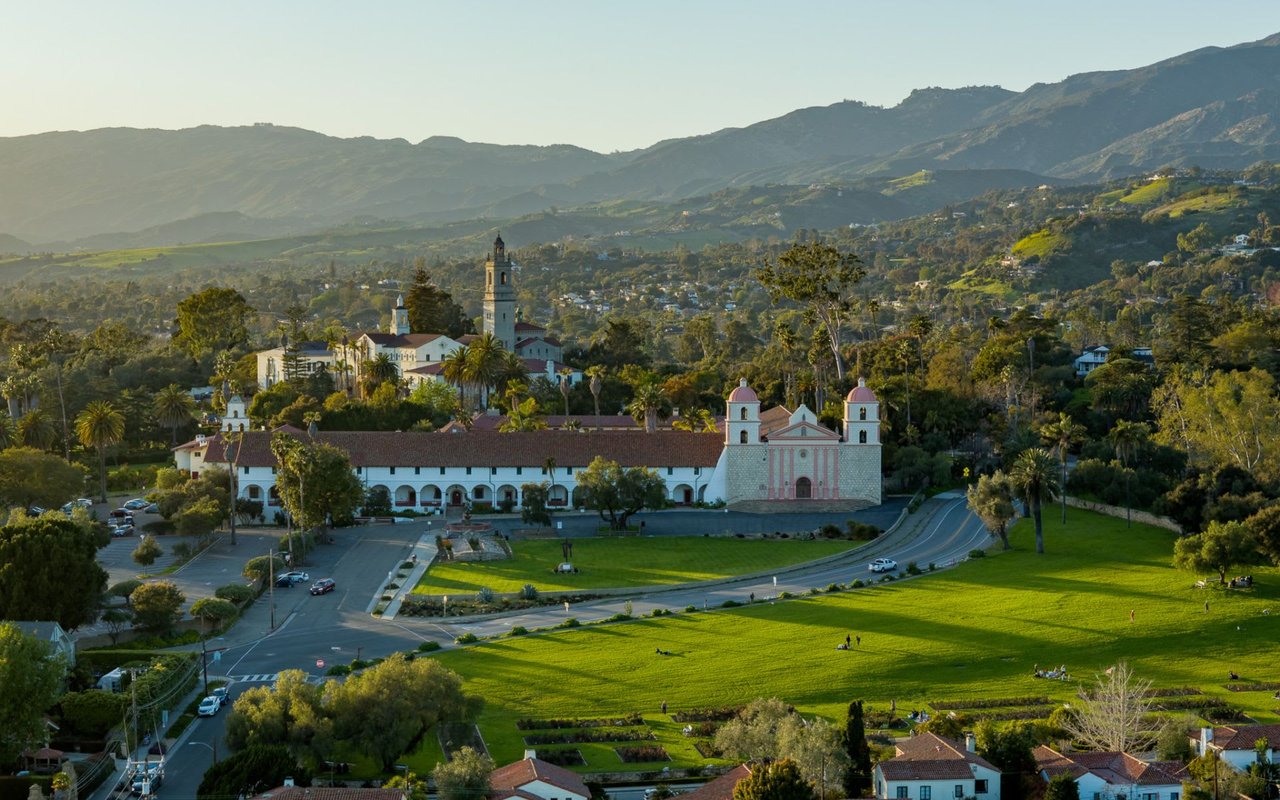
Santa Barbara's roots trace to 1602 when Spanish explorer Sebastián Vizcaíno named the channel after Saint Barbara. In 1786, Spanish Franciscans established Mission Santa Barbara, the tenth California mission, to convert the indigenous Chumash people. The mission and El Presidio fort became anchors of Spanish colonial settlement.
After Mexican independence and U.S. statehood in 1850, Santa Barbara evolved from a pueblo into a resort town. The 1925 earthquake proved transformative. A 6.8 magnitude quake leveled much of downtown, but civic leader Pearl Chase and architects including George Washington Smith seized the opportunity to rebuild in a unified Spanish Colonial Revival style inspired by the mission. The city became the first in America to establish an architectural review board.
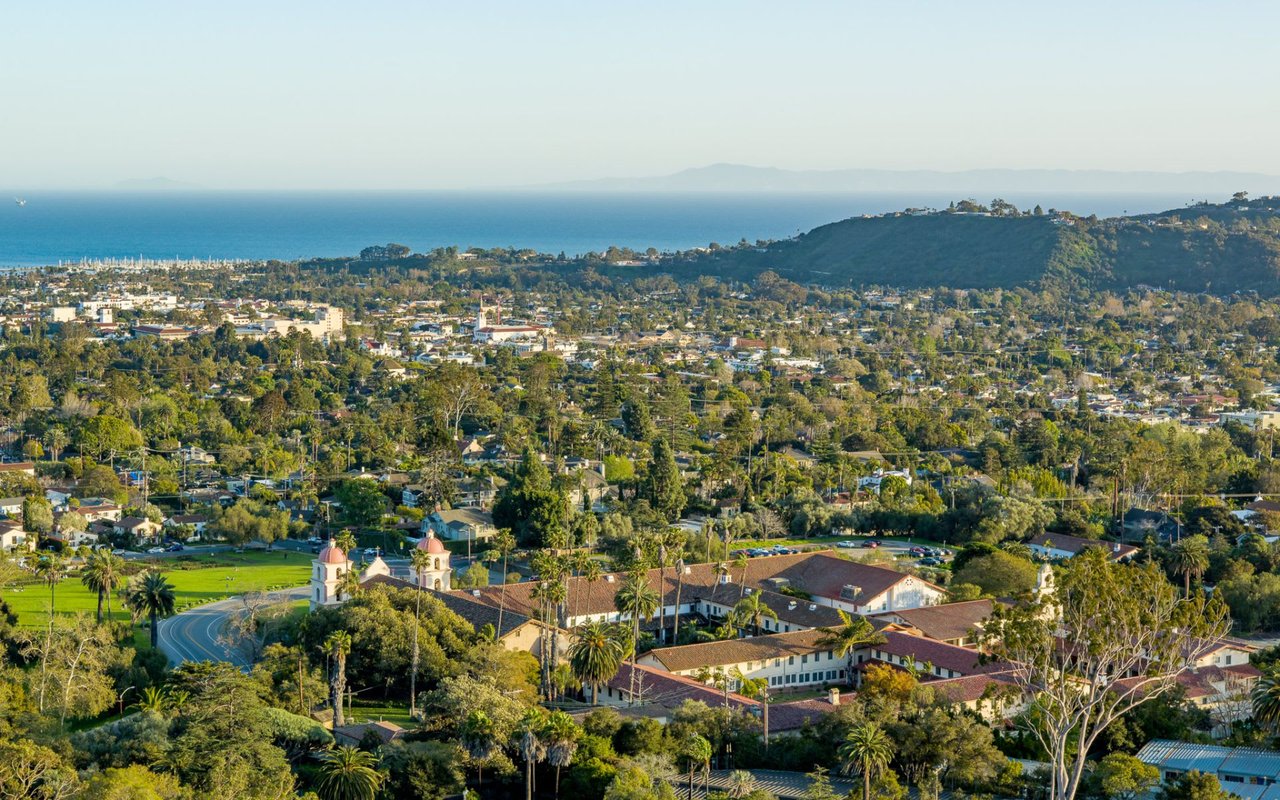
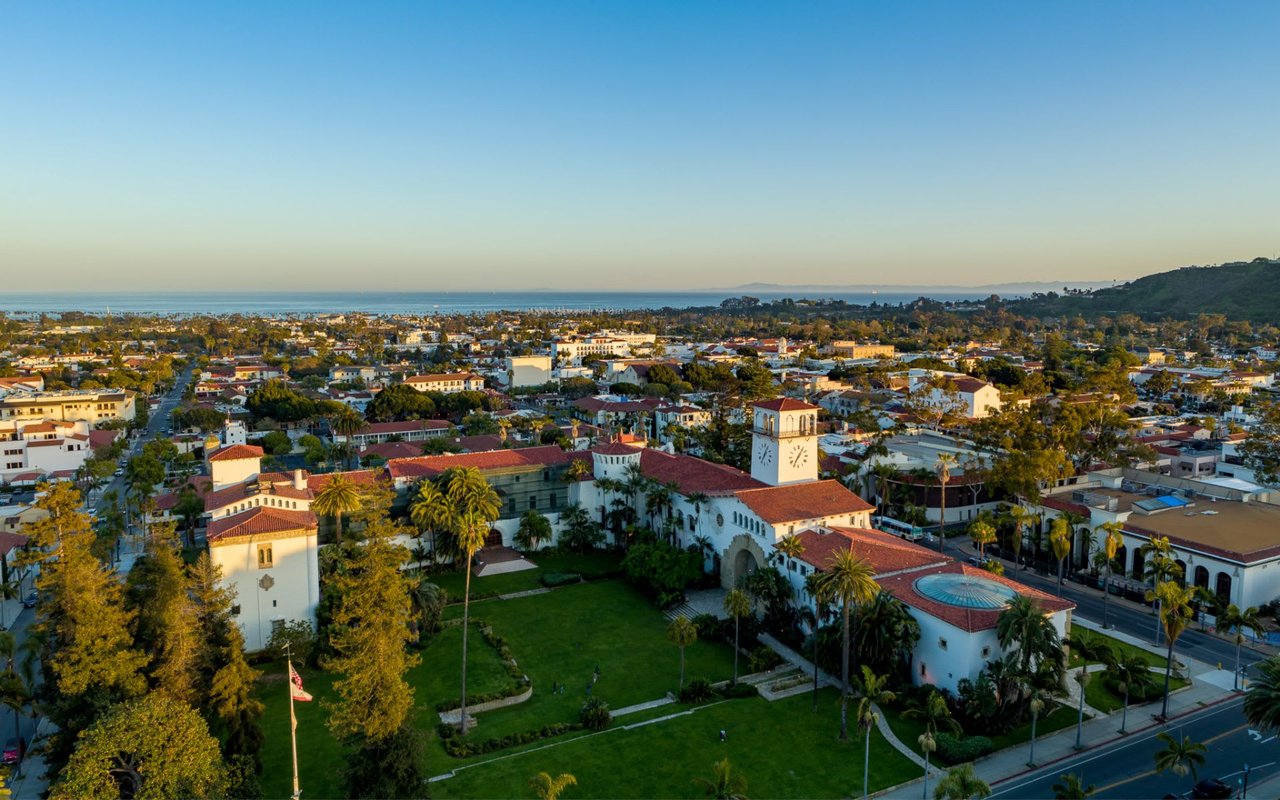
The courthouse, completed in 1929, exemplified the new aesthetic: white stucco walls, red-tile roofs, and Moorish details. This architectural cohesion remains Santa Barbara's defining visual characteristic. The 20th century saw residential expansion into hillside neighborhoods and coastal areas, development of UCSB in the 1960s, and emergence as a destination for wealth and second homes.
Location & Geography
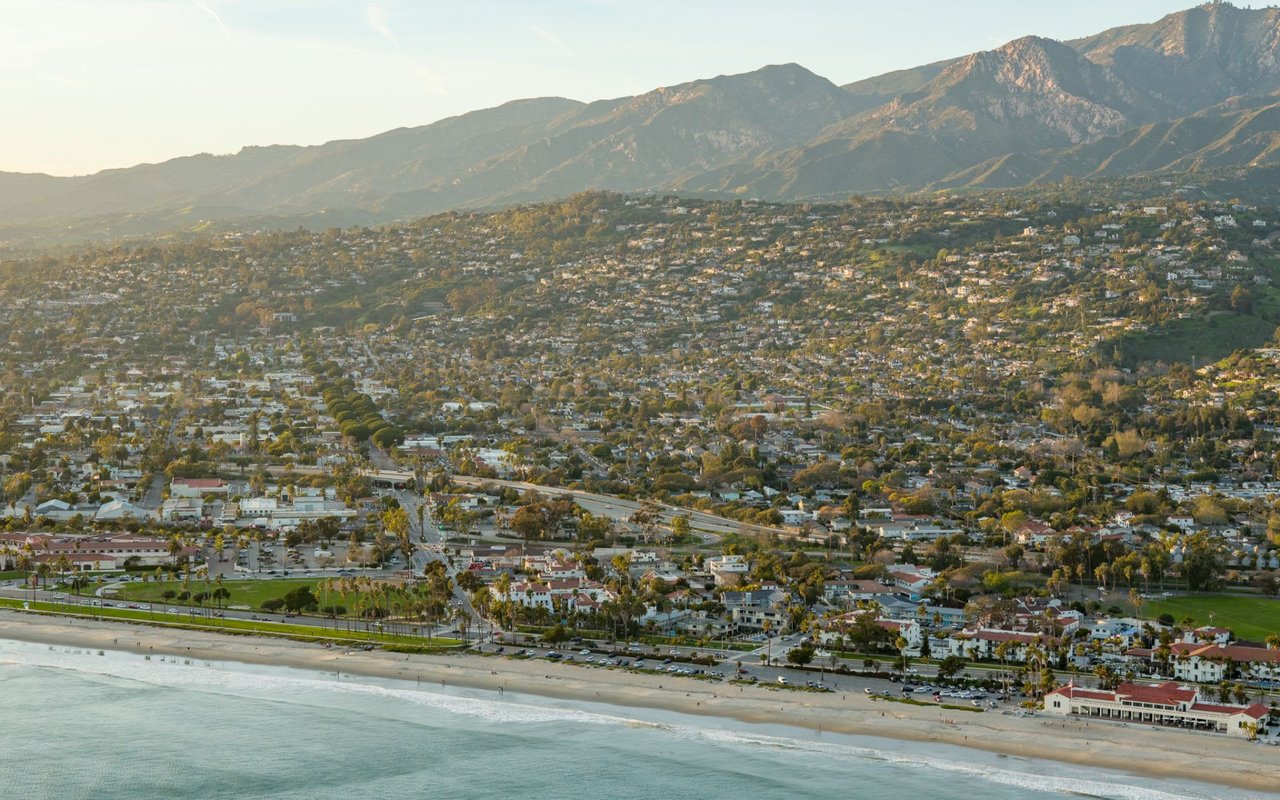
Santa Barbara occupies a rare east-west coastal orientation between the Santa Ynez Mountains and the Pacific Ocean. This positioning creates a microclimate with mild, dry summers (70s-80s°F) and gentle winters (50s-60s°F). The city limits stretch from Goleta on the west to Montecito and Summerland on the east, roughly 10 miles of coastline.
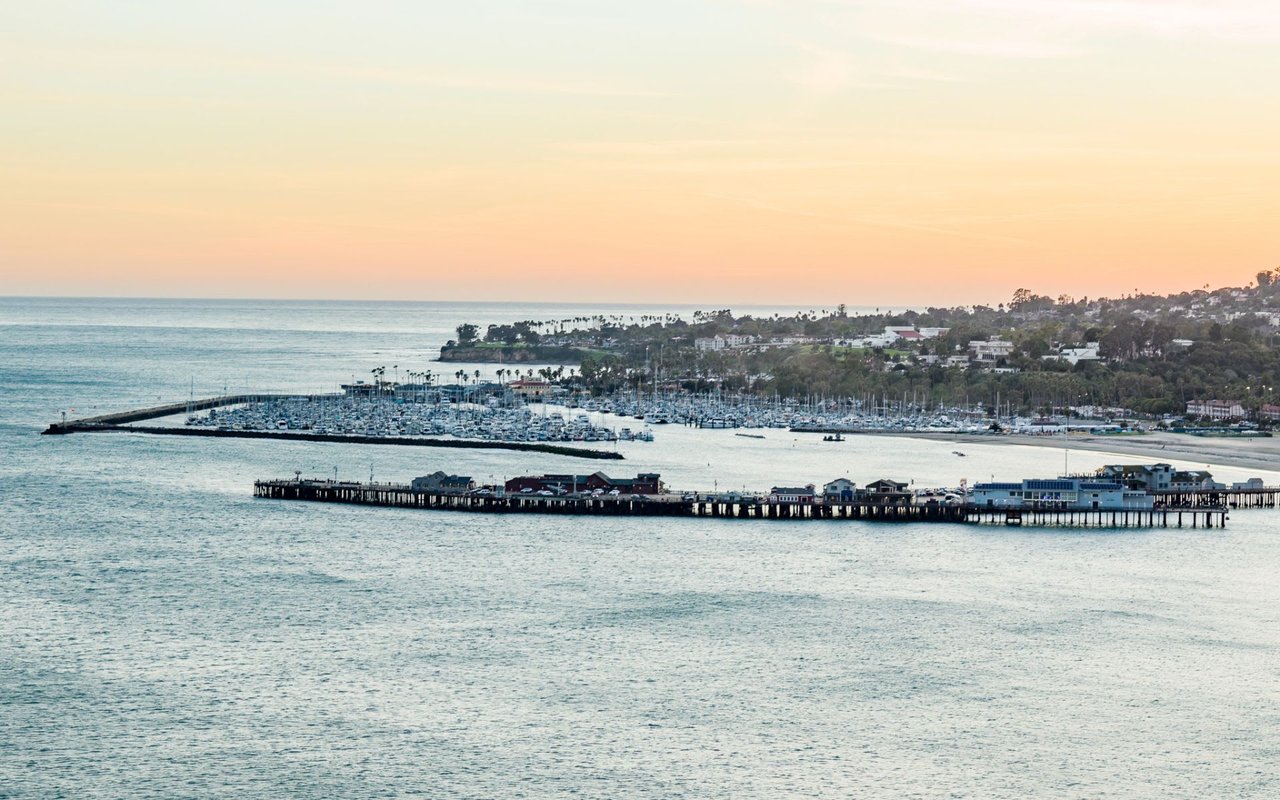
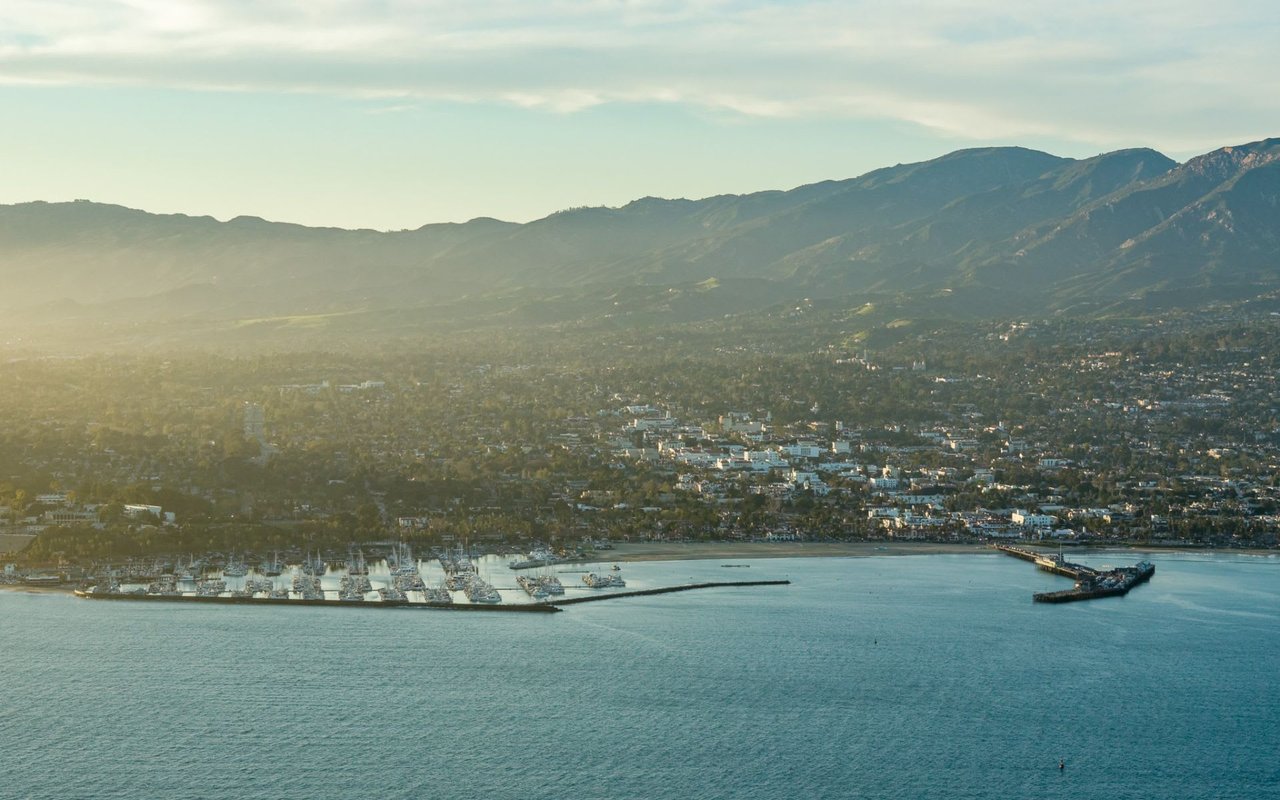
U.S. Highway 101 bisects the city, providing the primary north-south artery. Downtown sits south of the 101, bordered by the harbor and Stearns Wharf. North of the freeway, neighborhoods climb into the foothills. The Mesa occupies a coastal bluff west of downtown. Montecito, technically unincorporated Santa Barbara County, lies east and hosts some of California's priciest real estate.
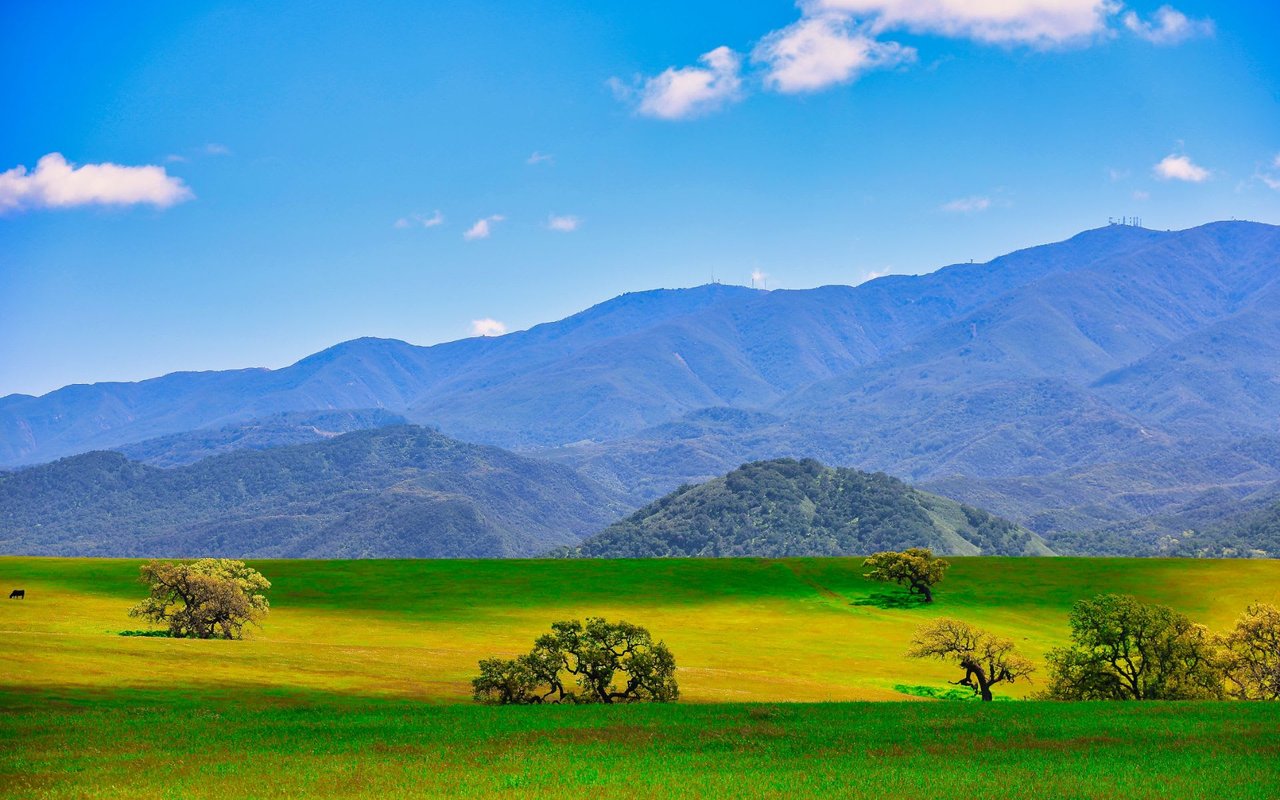
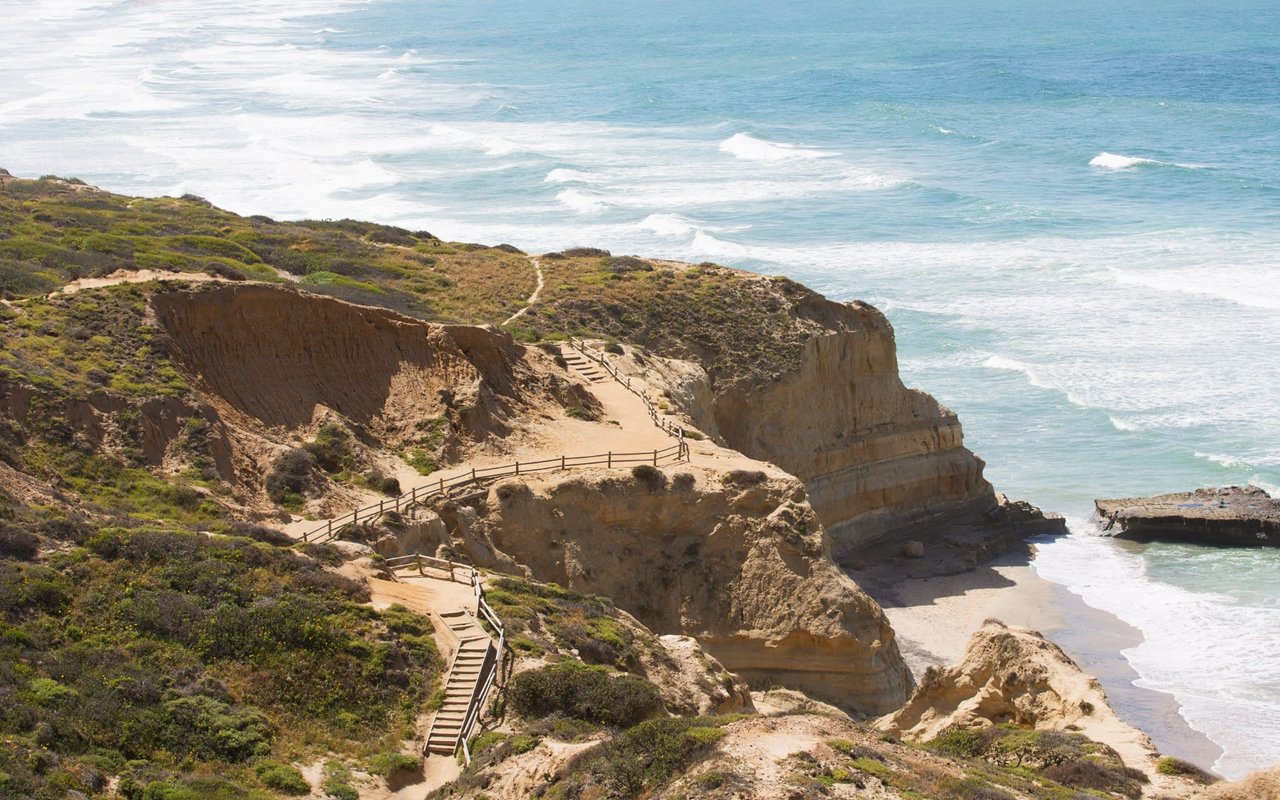
Geography includes sandy beaches, coastal bluffs, creek canyons, and chaparral-covered mountains rising to 4,000 feet. This terrain provides hiking trails, ocean access, and scenic views but also fire and flood exposure. Los Angeles sits 92 miles south (1.5-2 hours via 101), San Francisco 332 miles north (5-6 hours). Santa Barbara Airport (SBA) serves regional routes; LAX is 90 miles away.
Real Estate Market Snapshot
As of late 2025, Santa Barbara's housing market remains at historic highs. The median single-family home price is $2.15 million citywide, with Montecito at $5.7 million and Hope Ranch near $6 million. Properties sell in 46-55 days on average, and sellers receive approximately 96% of asking price. Inventory increased 16% in 2024 to 1,169 new listings, yet supply remains constrained relative to demand.
Appreciation trends show Santa Barbara's median price rose 44% since 2019, while Montecito gained 84% and Hope Ranch doubled. Current mortgage rates hover at 6.4-7%, significantly higher than the pandemic-era lows, effectively locking many homeowners into existing properties. This supply constraint supports pricing despite elevated rates.
The market favors sellers. With roughly three months of inventory or less, conditions remain competitive. Cash buyers represent 26% of transactions, and multiple-offer scenarios persist for well-priced properties. Condos have emerged as a growth segment, with median prices reaching $1.45 million and sales up 11.6% year-over-year. Days on market has increased slightly, giving buyers marginally more negotiating room than in 2023-2024.
Relocation Tips
Start by identifying priorities: beachfront access, school districts, commute tolerance, or specific architectural styles. Tour multiple neighborhoods—Mesa feels different from Riviera, which differs from downtown. Understand that inventory moves quickly despite higher rates. Pre-approval and decisiveness matter.
Research school boundaries carefully if children are involved. Cold Spring Elementary and Montecito Union rank among California's top public schools, but boundaries are specific. Private options include Cate School, Laguna Blanca, and Santa Barbara Middle School.
Budget for insurance. Wildfire and flood zones increase premiums, and coverage availability has tightened post-2017 fires. Factor HOA fees, which vary widely (some neighborhoods have none, others exceed $500/month). Santa Barbara also has a wildfire suppression assessment district in certain hillside areas.
Consider timing. Summer sees peak activity and higher prices. Fall and winter offer slightly more inventory and less competition. Transportation infrastructure includes Amtrak's Pacific Surfliner, MTD buses, and bike lanes, but most residents rely on cars.
Factors to Consider When Buying
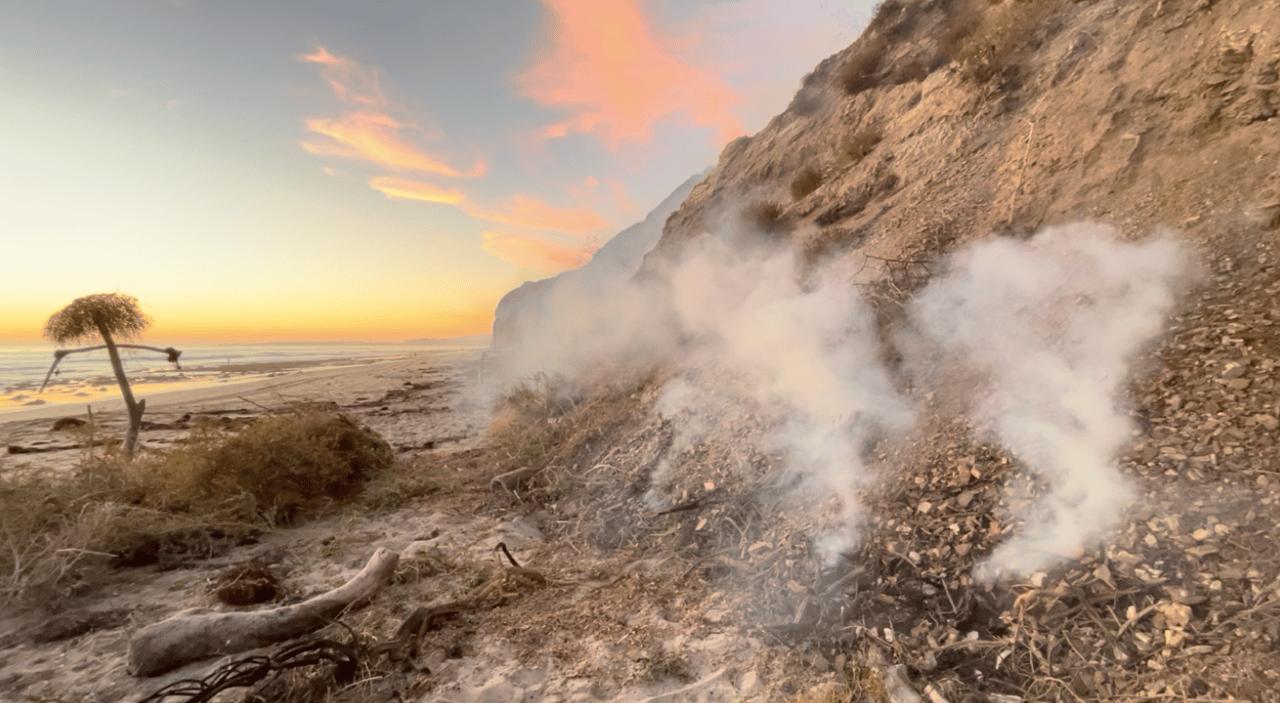
Wildfire Risk: Approximately 85% of Santa Barbara buildings face wildfire exposure, with risk levels classified as very high. Hillside neighborhoods—Riviera, Mission Canyon, San Roque, parts of the Mesa—sit in High Fire Hazard Severity Zones. Updated CAL FIRE maps released in March 2025 expanded moderate and high-hazard designations. Buyers should verify defensible space compliance, confirm insurance availability, and understand annual vegetation management costs.
Flood Zones: About 27% of properties face flood risk from coastal, creek, or surface flooding. Post-wildfire areas experience elevated mudflow risk for years. Check FEMA flood zone maps, verify flood insurance requirements, and assess drainage infrastructure near creeks (Mission, San Roque, Arroyo Burro).
Property Age & Systems: Many homes predate modern seismic codes. Inspections should cover foundation retrofitting, electrical panel upgrades, plumbing (older clay pipes), and HVAC. Spanish Colonial Revival homes may have original tile roofs needing maintenance or replacement.
Parking & Access: Hillside properties often have steep, narrow driveways. Downtown condos may offer limited parking. Verify garage capacity and street parking rules. Some historic districts restrict exterior modifications.
HOA Considerations: Condo complexes and planned developments carry HOAs with fees ranging from $300-$800+/month. Review HOA budgets for deferred maintenance, reserve levels, and upcoming special assessments. Some communities like Hope Ranch have private amenities (beach, trails, golf) with annual dues.
Noise & Location: Properties near the 101 freeway face traffic noise. Flight paths from Santa Barbara Airport affect certain neighborhoods. Downtown areas see tourist foot traffic. Verify proximity to schools, which can mean peak-hour congestion.
Market Speed: Well-priced homes in desirable areas still move in 30-45 days. Multiple offers occur on properties under $2 million in good condition. Be prepared to act decisively with strong pre-approval letters.
Factors to Consider When Selling
Seasonality: Spring and summer generate peak buyer activity, with families timing moves to school calendars and favorable weather showcasing outdoor spaces. Fall remains strong but slows into winter holidays. January-February brings lower activity but serious buyers.
Pricing Strategy: The market has moderated from pandemic highs. Overpricing leads to extended days on market and price reductions. Sellers received 96% of asking price in 2024, down from 100%+ in 2021-2022. Comparative market analysis from a local agent is essential. Properties under $2 million move fastest.
Staging & Presentation: Curb appeal matters enormously in a visually driven market. Outdoor spaces—patios, gardens, ocean views—should be immaculate. Interior staging emphasizes the indoor-outdoor California lifestyle. Professional photography, drone footage, and video tours are standard at higher price points.
Buyer Demographics: Cash buyers comprise 26% of transactions, often retirees or second-home purchasers. Many buyers relocate from Los Angeles, the Bay Area, or out-of-state. They prioritize lifestyle over commute convenience. Highlight proximity to beaches, trails, wine country, and cultural amenities.
Value-Adding Upgrades: Kitchens and bathrooms yield strongest returns. Energy-efficient windows, updated HVAC, and drought-tolerant landscaping appeal to eco-conscious buyers. ADUs (accessory dwelling units) add flexibility. Avoid over-customization; broad appeal wins.
Disclosure Requirements: California mandates extensive disclosures. Fire and flood zone designations, past damage claims, HOA documents, and natural hazard reports must be provided. Transparency prevents post-close disputes.
Dining and Entertainment
State Street anchors Santa Barbara's culinary scene, running from Stearns Wharf to Upper State with 200+ restaurants. Between Sola and Haley Streets, the pedestrian promenade offers expanded outdoor dining. Options span Italian (Olio e Limone, Ca'Dario, L'Antica Pizzeria Da Michele), Mexican (Santo Mezcal, Los Agaves), California cuisine (Opal, Jane, Paloma), and Asian fusion (Sama Sama Kitchen, Arigato Sushi).
The Funk Zone, east of State Street near the waterfront, concentrates urban wineries, craft breweries, and art galleries. Lure Fish House and Brophy Bros serve fresh seafood at the harbor. Montecito's Coast Village Road offers upscale dining at higher price points. The Santa Barbara Public Market on State Street provides a food hall with local vendors.
Entertainment includes the Granada Theatre (1,500-seat performing arts venue), Lobero Theatre (historic 1873 venue for concerts and theater), and the Santa Barbara Bowl (4,500-capacity outdoor amphitheater hosting major touring acts). The Arlington Theatre screens films and hosts events. Nightlife remains low-key—wine bars, cocktail lounges, and live music venues rather than clubs.
Parks and Recreation
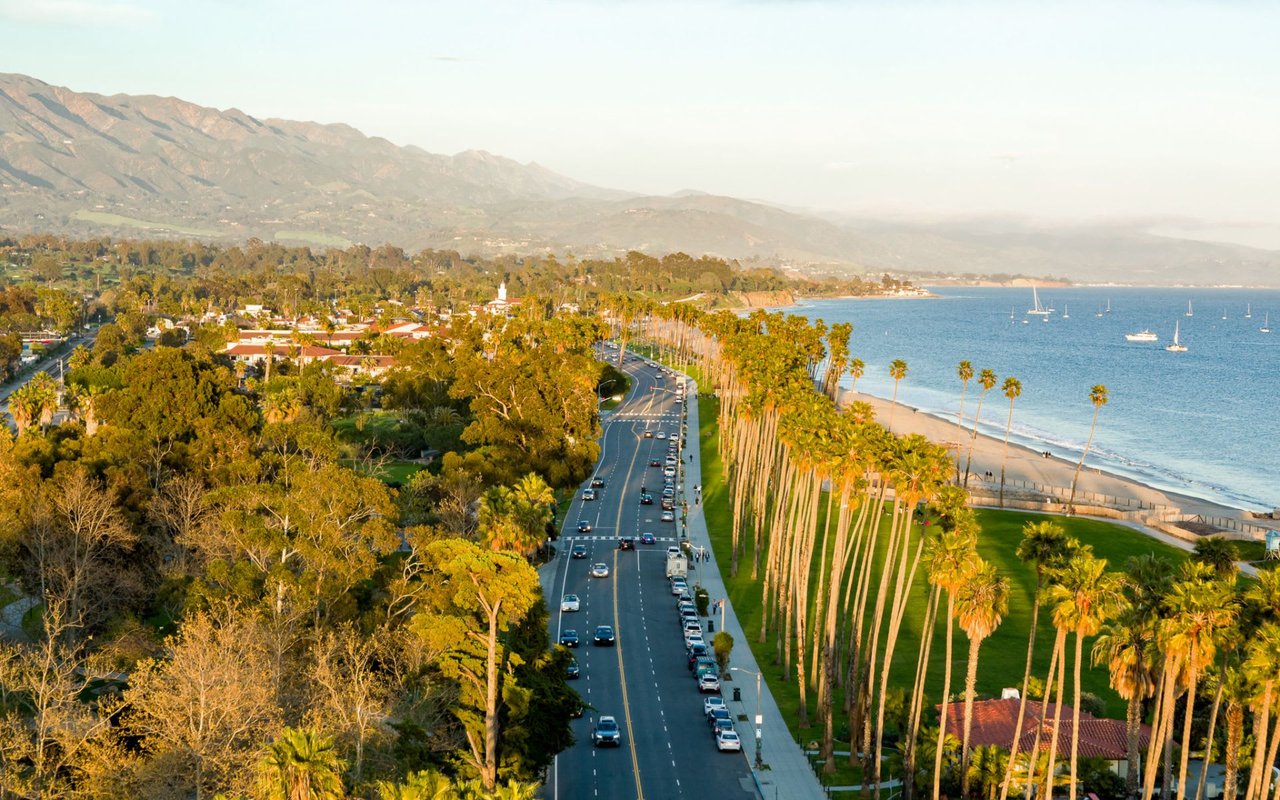
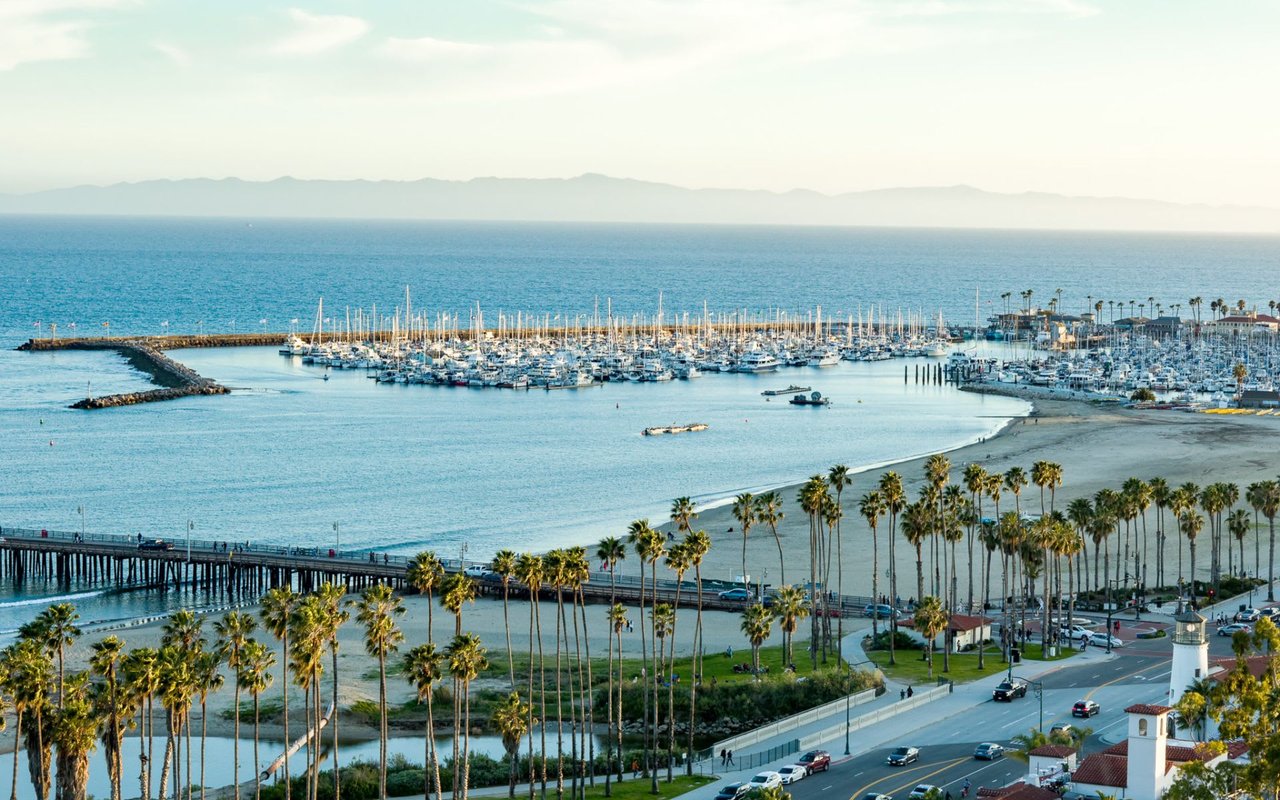
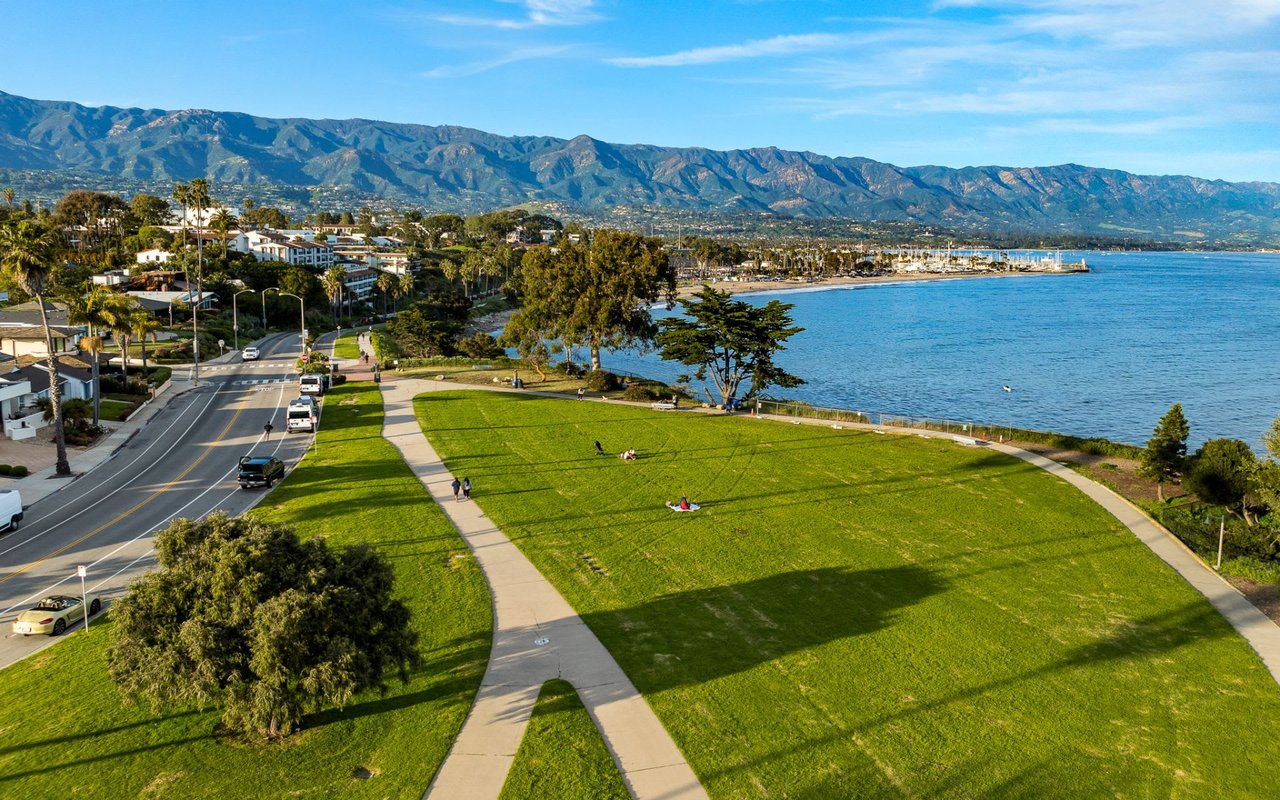
Santa Barbara manages over 1,800 acres of parkland. East Beach, West Beach, and Leadbetter Beach provide four miles of public coastline with volleyball courts, picnic areas, and lifeguard services. Butterfly Beach in Montecito offers pristine swimming and sunbathing. Shoreline Park delivers coastal bluff trails with Channel Islands views.
Alameda Park features Kids' World, an 8,000-square-foot playground built by community volunteers. Alice Keck Park Memorial Gardens downtown offers botanical collections and koi ponds. Elings Park, 230 acres atop the Mesa, provides trails, BMX tracks, sports fields, and panoramic views. It is one of the largest privately funded parks in the nation.
Hiking includes Rattlesnake Canyon Trail (popular moderate route to waterfalls), Jesusita Trail (steep ascent with city views), and trails in San Marcos Foothills Preserve. Douglas Family Preserve on the Mesa allows off-leash dogs. Mission Creek Trail follows a creek bed through town. The Santa Barbara Botanic Garden showcases California native plants across 78 acres. Golf options include Sandpiper Golf Club and private clubs in Hope Ranch and Montecito.
Annual Events and Festivals
- Santa Barbara International Film Festival (February): Eleven days of screenings, celebrity tributes, and panel discussions attract Oscar contenders and industry professionals.
- Summer Solstice Celebration (June): Parade with elaborate costumes, floats, and performances followed by a festival with music, art, and food.
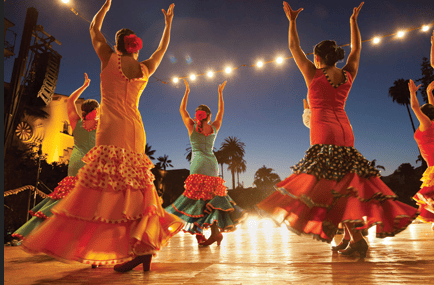
- Old Spanish Days Fiesta (August): Week-long celebration of Spanish and Mexican heritage featuring parades, rodeo, flamenco dancing, and marketplace.
- Santa Barbara Greek Festival (June): Food, music, and cultural exhibits at Chase Palm Park.
- Harbor & Seafood Festival (October): Fresh seafood, harbor boat rides, live music, and sailing lessons at the waterfront.
- Santa Barbara Wine + Food Festival (May): Tasting event at the Museum of Natural History benefiting education programs.
- Santa Barbara Arts & Crafts Show (Every Sunday): Weekly artisan market along Cabrillo Boulevard since 1965.
- Santa Barbara Vintners Festival (October): Grand tasting showcasing wines from Santa Barbara County's AVAs.
- ZooLights (November-January): Holiday light displays and activities at Santa Barbara Zoo.
Schools and Education
Santa Barbara Unified School District serves the city proper. Cold Spring Elementary ranks among California's top public schools with exceptional test scores and a 5-star rating. Other highly rated elementaries include Adams, Roosevelt, and Washington. San Marcos High School is the city's main public high school, earning solid ratings for academics and extracurriculars.
Goleta Union School District, west of Santa Barbara, includes Hope Elementary and Vieja Valley Elementary, both strong performers. Montecito Union School District serves K-8 and ranks third statewide with 5-star ratings.
Private schools include Cate School (elite boarding school in Carpinteria), Laguna Blanca School, Santa Barbara Middle School, and several smaller institutions. The Waldorf School and Montessori programs offer alternative pedagogies.
Higher education centers on University of California, Santa Barbara (UCSB), a top-tier research university with 23,000+ students. Santa Barbara City College provides community college programs and workforce training. Westmont College offers private liberal arts education.
Commute and Accessibility
Highway 101 is Santa Barbara's primary artery, connecting to Los Angeles (92 miles south, 1.5-2 hours) and San Francisco (332 miles north, 5-6 hours). Recent widening projects added carpool lanes between Carpinteria and Goleta, reducing congestion during peak hours. Morning and evening rush periods still see slowdowns.
Public transportation includes Santa Barbara MTD (Metropolitan Transit District), operating 20+ bus routes throughout the city and to UCSB. Amtrak's Pacific Surfliner runs multiple daily trips to Los Angeles (3 hours), San Luis Obispo, and San Diego. The Coast Starlight connects to San Francisco and Seattle. Santa Barbara Airbus provides shuttle service to LAX.
Santa Barbara Municipal Airport (SBA) offers regional flights to Phoenix, Denver, San Francisco, Seattle, Las Vegas, and Dallas via Alaska, United, American, and Southwest. Most long-haul flights require connecting through LAX or SFO. Bike infrastructure includes the Cabrillo Bike Path along the waterfront and Class II bike lanes on major streets. Most residents rely on personal vehicles for daily transportation.
Local commutes are generally short—10-20 minutes across town—but limited routes (101, State Street, Milpas, Carrillo) create bottlenecks. Parking downtown requires meters or paid lots. Some neighborhoods lack sidewalks, making walking less practical despite the temperate climate.
Why People Love Santa Barbara
Year-round Mediterranean climate tops the list. Residents enjoy outdoor recreation—surfing, paddle boarding, hiking, cycling—twelve months a year without extremes. The east-west coastal orientation creates consistent weather: dry summers, mild winters, minimal fog compared to Northern California.
Architectural cohesion delivers aesthetic appeal. The Spanish Colonial Revival cityscape feels cohesive and intentional, from the courthouse to neighborhood homes. This visual identity differentiates Santa Barbara from sprawling Southern California metros.
Access to nature and wine country matters. Residents can hike mountain trails in the morning, surf at lunch, and visit wineries in the afternoon. Channel Islands National Park sits 20 miles offshore. The Santa Ynez Valley wine region is a 45-minute drive.
Cultural amenities exceed expectations for a city of 90,000. The film festival, theater scene, museums, and live music venues rival larger cities. UCSB brings academic energy and events.
Quality of life over quantity defines the Santa Barbara ethos. Residents accept high costs and limited job markets for lifestyle advantages: walkable downtown, beach access, community feel, and escape from urban congestion. It is a place people move to for life, not career.
Most Coveted Streets & Estates
- Hope Ranch: Private gated community west of downtown with equestrian trails, tennis courts, and beach access. Median price near $9 million. Notable streets: Las Palmas Drive, Marina Drive, Paloma Drive.
- Montecito (East of Santa Barbara): Unincorporated enclave hosting celebrities, tech executives, and old money. Oceanfront estates along Channel Drive, Butterfly Beach, and Miramar Beach command $15-50 million+. Picacho Lane, East Valley Road, and Hot Springs Road offer inland estates with acreage.
- Cliff Drive & Mesa Lane (Mesa): Oceanfront properties with direct beach access. Prices $5-15 million. Bluff-top homes offer unobstructed Channel Islands views.
- The Riviera: Hillside neighborhood north of downtown with sweeping ocean and city views. Alameda Padre Serra, APS (the main road), features Spanish-style homes priced $2-8 million. Proximity to Santa Barbara Bowl and easy downtown access.
- Upper East (East of State Street): Historic district with early 20th-century mansions near the Courthouse. Streets like Anacapa, Garden, Laguna showcase architectural heritage. Prices $2-5 million.
- Mission Canyon: Secluded canyon neighborhood near the Mission and Botanic Garden. Larger lots with privacy. Foothill Road offers estates with acreage. Fire risk considerations apply.
- Fernald Point & Sandyland (Carpinteria): Beachfront community east of Santa Barbara. Lower price point ($2-4 million) for ocean access compared to Montecito.
Who is Santa Barbara For?
Santa Barbara suits affluent retirees seeking year-round pleasant weather, cultural amenities, and a slower pace. The city attracts empty nesters downsizing from Los Angeles or the Bay Area who prioritize lifestyle over career. Median age skews older; families with young children are present but less dominant than in suburban metros.
Remote workers and tech professionals drawn to coastal living find Santa Barbara appealing, provided income supports housing costs. UCSB faculty and staff form a stable resident base. Second-home buyers, particularly from Southern California, maintain vacation properties they may eventually retire to.
Outdoor enthusiasts who surf, hike, cycle, or sail will thrive. Wine lovers appreciate proximity to Santa Ynez Valley. Culturally engaged residents enjoy the arts scene, lectures, and festivals. Those valuing walkability and car-optional living can succeed downtown or in the Mesa.
Santa Barbara is not for those prioritizing career advancement in tech, finance, or entertainment—Los Angeles and San Francisco offer far more opportunities. It is not for families on modest incomes; the median home price of $2.15 million excludes most working-class households. Those needing urban energy, diversity of restaurants and nightlife beyond wine bars, or frequent international travel will find Santa Barbara limiting.
The city rewards those who value quality over quantity, natural beauty over convenience, and community over anonymity. It is a place to arrive, not a place to climb. If you can afford it and align with the lifestyle, few American cities offer a more attractive package.