32,693 people live in Goleta Valley, where the median age is 35.5 and the average individual income is $52,610. Data provided by the U.S. Census Bureau.
Total Population
Median Age
Population Density Population Density This is the number of people per square mile in a neighborhood.
Average individual Income
Tucked between the Santa Ynez Mountains and the Pacific Ocean, Goleta Valley occupies one of the most distinctive stretches of the California coastline. Locals call it "The Good Land," a nickname earned generations ago when early American settlers realized the valley's fertile soil and Mediterranean climate could grow just about anything. That agricultural DNA still runs through the community today, even as tech campuses, university research labs, and modern planned neighborhoods have reshaped the landscape.
What makes Goleta Valley so compelling is the balance it strikes. It offers the coastal beauty and lifestyle of Santa Barbara without the pricing pressure or tourism intensity of its more famous neighbor. Families are drawn here for the schools and the space. Tech professionals settle here for the proximity to major employers. Retirees appreciate the walkable trails, the mild weather, and the slower rhythm. Whether you are exploring the valley for a first home purchase, an investment property, or a lifestyle move from out of state, this guide is designed to give you an honest, ground-level view of what living in Goleta Valley actually looks like.
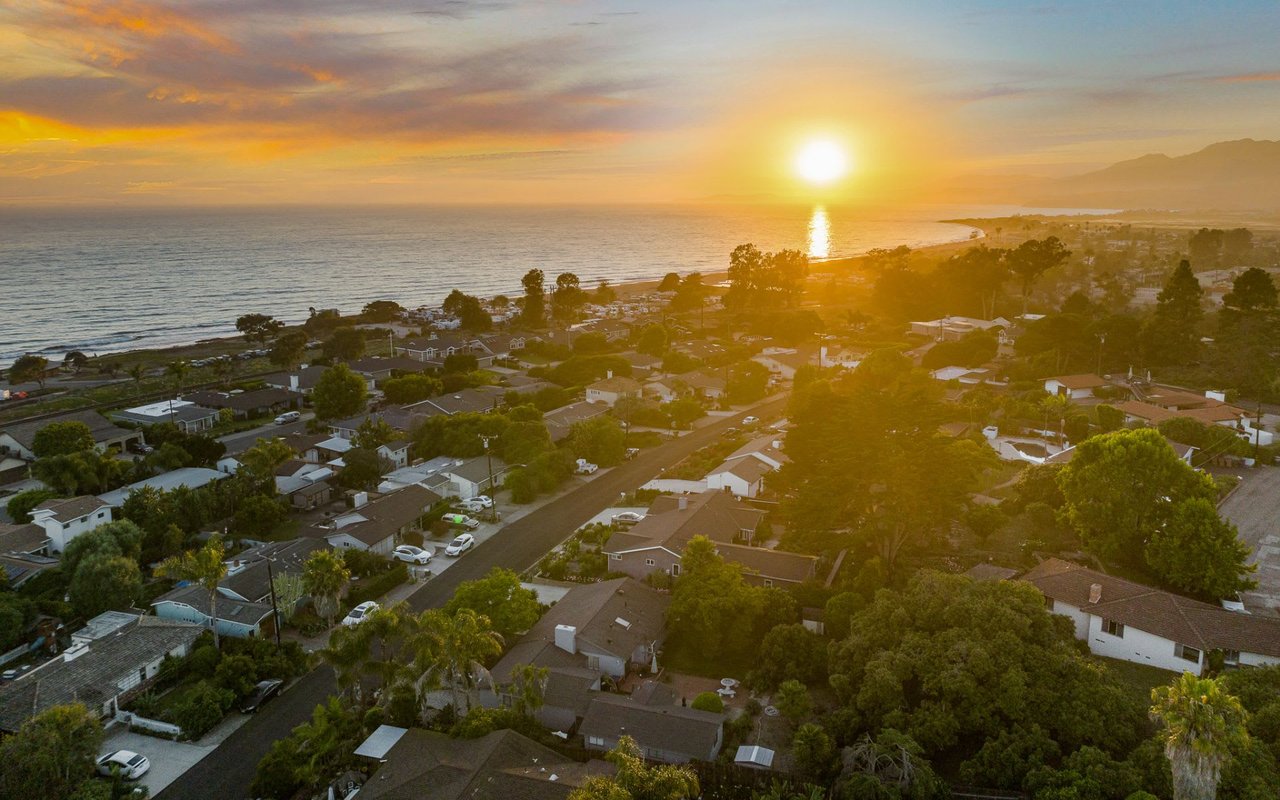
Goleta Valley sits in southern Santa Barbara County, roughly 10 miles west of downtown Santa Barbara and about 90 miles up the coast from Los Angeles. Its most unusual geographic feature is one many newcomers don't notice at first: this section of California coast runs east to west rather than the typical north to south. That means Goleta enjoys a rare south-facing shoreline, which softens the marine weather and gives you those unforgettable views where the sun both rises and sets over the water at different points of the year.
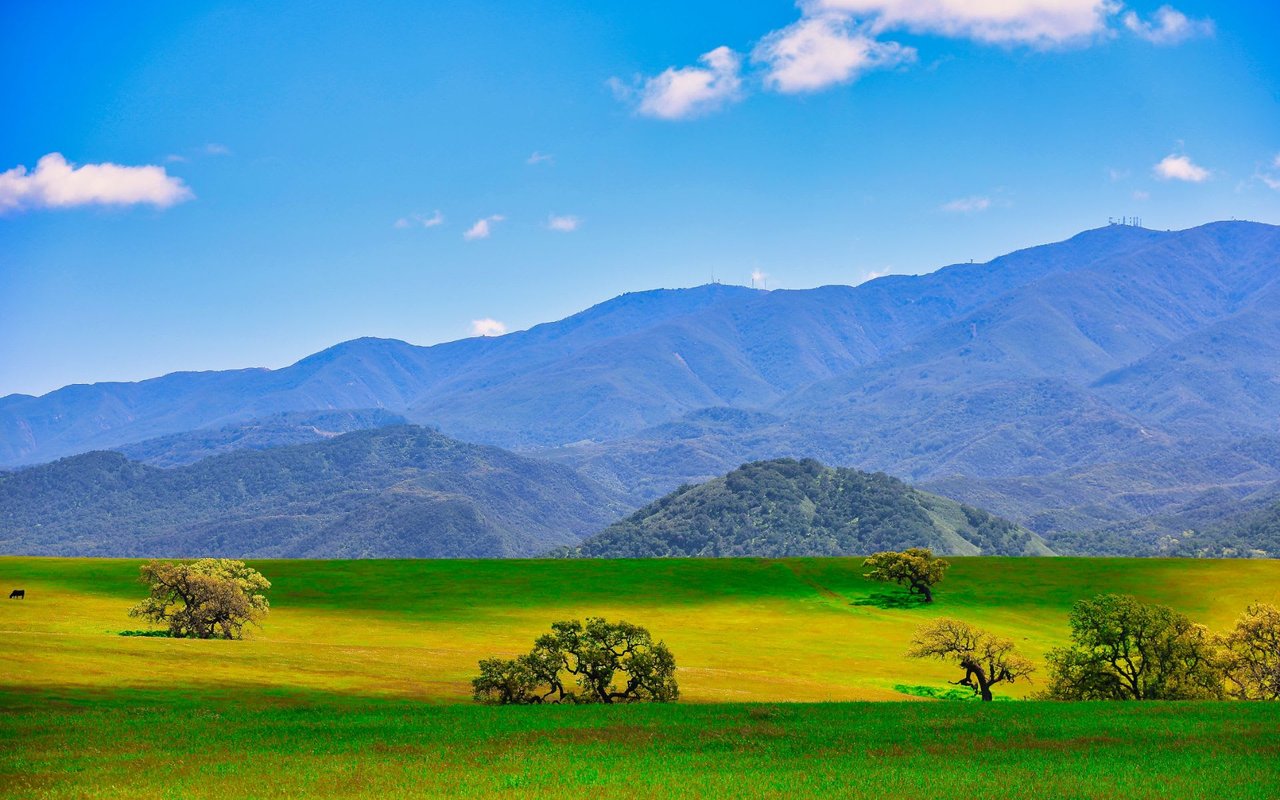
The valley is hemmed in dramatically. The Santa Ynez Mountains rise sharply to the north, sheltering the community from harsh inland weather and creating that postcard backdrop you see behind every neighborhood. To the south, the Santa Barbara Channel stretches toward the Channel Islands, which sit on the horizon and act as a natural breakwater, keeping local surf conditions calm and swimmable most of the year. The valley itself is a mix of coastal plains, gentle foothills, and rare ecological gems like the Goleta Slough and Devereux Slough. To the west, the valley opens toward the wild, undeveloped Gaviota Coast. To the east, it blends seamlessly into Santa Barbara. This tight geographic footprint is a big reason why real estate here holds its value so well: they simply aren't making more of it.
Goleta Valley's story is longer and richer than most California communities. For at least 10,000 years, this was Chumash territory, and the area around the Goleta Slough ranked among the most densely populated prehistoric regions in all of North America. The Chumash built sophisticated coastal villages, crafted redwood plank canoes called tomols, and ran extensive trade routes between the mainland and the Channel Islands.
European contact began in 1542 when Juan Rodríguez Cabrillo sailed into the Santa Barbara Channel, but permanent Spanish settlement didn't take hold until the late 1700s. The name "Goleta" itself comes from the Spanish word for schooner, tied to local lore about a sailing vessel that ran aground or was built in the deep waters of the historic Goleta Slough. After Mexican independence in 1821, the valley was carved into massive land grants, the most notable being Rancho La Goleta, granted to American sea captain Daniel Hill.
By the late 19th century, American settlers were transforming the valley into an agricultural powerhouse, producing walnuts, lima beans, lemons, and avocados on a commercial scale. That is when "The Good Land" nickname took hold. The 20th century brought a dramatic pivot. In 1942, a Japanese submarine surfaced off the Ellwood coast and shelled the local oil fields, one of the few direct attacks on the U.S. mainland during World War II. The military buildup that followed left behind the Santa Barbara Airport and, in 1954, the coastal campus that became the University of California, Santa Barbara. From there, engineering, aerospace, and research firms began clustering nearby, laying the groundwork for the modern tech economy. After decades as an unincorporated suburb, residents voted to officially incorporate the City of Goleta in 2002, cementing the community's distinct identity.
Goleta Valley functions as the working engine of the Santa Barbara South Coast, and the housing market reflects that. Unlike Montecito or downtown Santa Barbara, where second homes and vacation buyers drive a meaningful share of transactions, Goleta's market is powered by a genuine local workforce. UCSB, Raytheon, Deckers Brands, Yardi Systems, and AppFolio all employ thousands of people who need to live within a reasonable commute, and that steady demand puts a strong floor under prices.
The median home value in Goleta typically ranges from $1.2 million to $1.5 million, though that number moves significantly depending on property type and neighborhood. Buyers coming from Santa Barbara often describe Goleta as the "value" side of the South Coast, and there is truth to that framing. You generally get larger lot sizes, newer construction options, and more square footage for your dollar than you would find in comparable Santa Barbara neighborhoods, even though "value" here still means seven figures. Inventory is chronically tight because the mountains and the ocean cap how much the valley can physically grow, so well-priced homes continue to sell quickly even in cooler market cycles. The rental market is exceptionally strong, with median rents commonly exceeding $4,000 per month thanks to the constant demand from students, faculty, and young tech professionals.
Goleta Valley isn't a single, uniform place. Each pocket has its own character, price point, and lifestyle rhythm. Understanding those differences is often the biggest factor in finding the right home here.
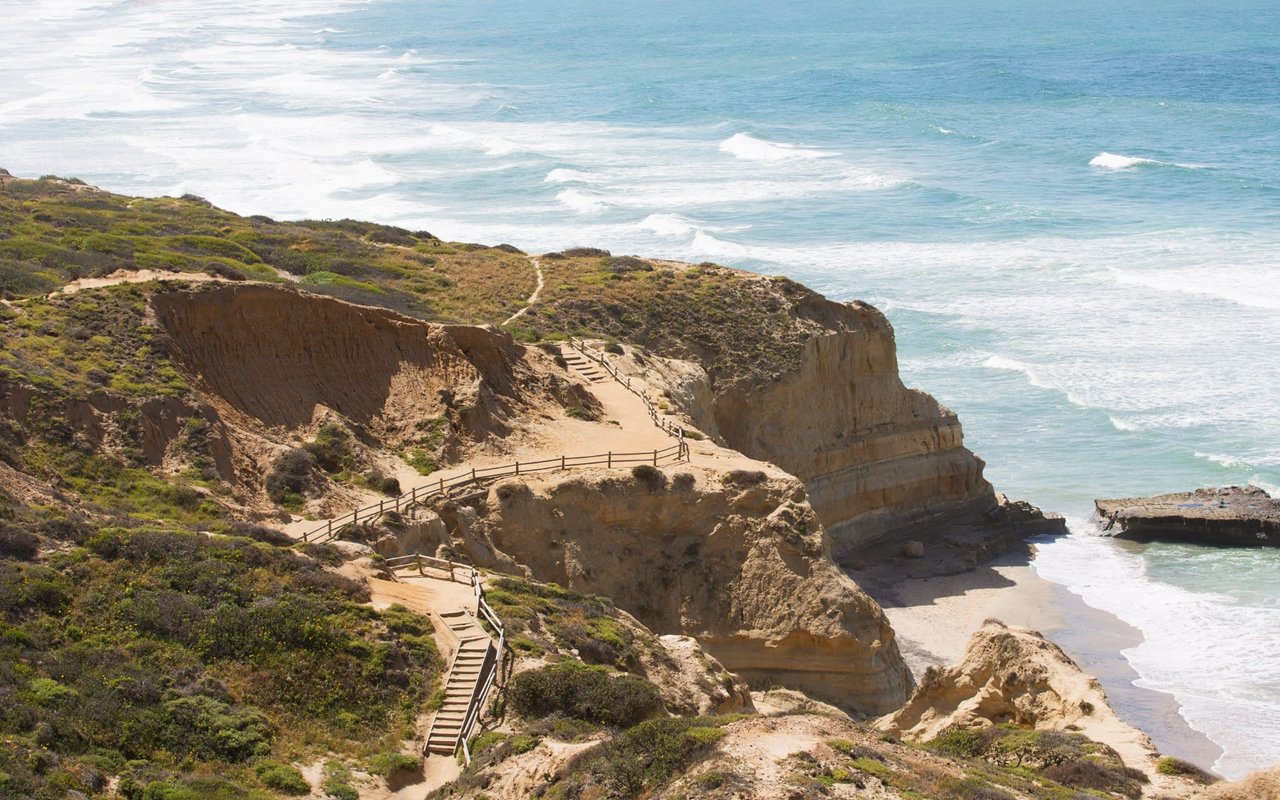
Ellwood sits on the far western edge and is defined by its natural beauty. The Ellwood Mesa open space, blufftop trails, and the famous Coronado Butterfly Preserve are all steps from the front door for residents here. Housing ranges from mid-century single-family homes to newer townhome developments and modern coastal communities. The vibe is quieter, more relaxed, and more nature-forward than the rest of the valley.
Winchester Canyon and El Encanto Heights climb into the northern foothills against the Santa Ynez Mountains. El Encanto Heights is a classic, established suburban tract with quiet streets and strong owner-occupancy, while Winchester Canyon offers more elevated lots with sweeping valley and ocean views. This is a favorite area for buyers who want a semi-rural feel without leaving the South Coast.
Central Goleta and Los Carneros is the modern heart of the valley. This is where you'll find newer master-planned communities like the Village at Los Carneros, major commercial hubs, and beloved green spaces like Lake Los Carneros Park and Girsh Park. It's a strong fit for families who want walkability, newer construction, and easy access to schools and shopping.
Old Town Goleta, centered along Hollister Avenue, is the historic commercial and cultural core. The housing tends to be older bungalows, duplexes, and apartments, and the pricing is generally more accessible than the rest of the valley. Old Town is in the middle of a slow, thoughtful revitalization, and its independent restaurants, taquerias, and craft breweries give it a distinctly local personality you won't find anywhere else on the South Coast.
Isla Vista and Del Playa sit directly adjacent to the UCSB campus and function almost like a separate world. This is high-density student housing territory, with the oceanfront Del Playa Drive lined with cliffside rentals. Most buyers here are investors targeting the strong student rental market rather than owner-occupants.
Eastern Goleta Valley, including the neighborhoods around Fairview and Patterson avenues, blends into the foothills as you move toward Santa Barbara. This area is home to quiet family neighborhoods, the historic Stow House, and Fairview Gardens, one of the oldest working organic farms in the country. It's a favorite for commuters who want quick access to both downtown Santa Barbara and Cottage Hospital.
Goleta's architecture tells the story of its growth. Unlike Santa Barbara, where strict design ordinances have preserved a uniformly Spanish Colonial Revival look, Goleta has evolved organically, and the housing stock reflects that mix.
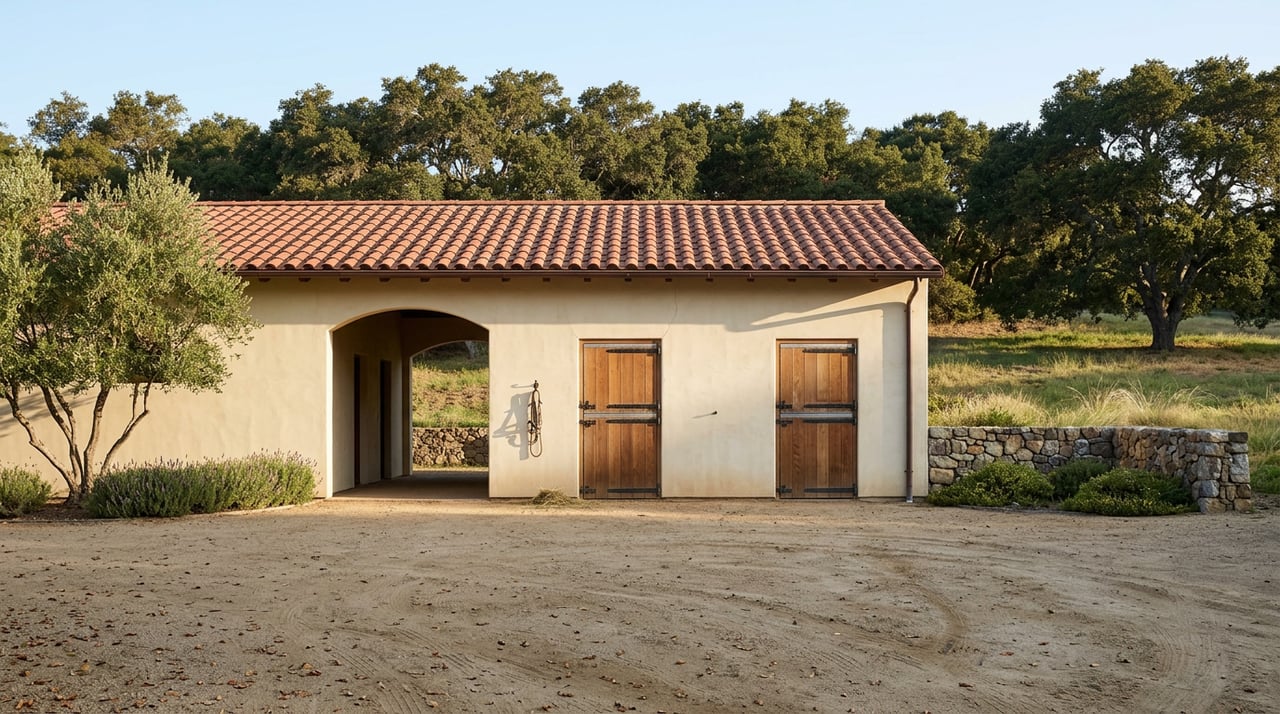
The dominant style throughout the valley is the mid-century California Ranch, built in waves from the 1950s through the 1970s. These homes are prized today for their solid construction, single-story layouts, low-pitched roofs, and generous backyards designed for indoor-outdoor living. Sliding glass doors, wide eaves, and attached garages are signature features, and many original ranches have been thoughtfully modernized without losing their character.
Beyond the classic ranch, you'll find contemporary planned developments in Central Goleta and near the foothills, featuring multi-story single-family homes, townhouses, and luxury condominiums with modern energy-efficient construction. Old Town leans older and more eclectic, with early 20th-century California bungalows, Craftsman-influenced designs, and newer mixed-use buildings where apartments sit above ground-floor retail. Isla Vista is its own architectural category entirely, dominated by high-density student housing tailored to maximize ocean views and rental capacity. This variety is genuinely useful for buyers because it means Goleta can accommodate a wide range of tastes and budgets within a relatively small geographic footprint.
Schools are one of the primary reasons families choose Goleta over other South Coast options, and the local academic infrastructure delivers on that reputation. Elementary students attend schools within the Goleta Union School District, which operates nine campuses across the valley, including Foothill, Mountain View, Kellogg, Brandon, and Hollister. The district is known for high test scores, strong parent engagement, and low student-to-teacher ratios.
Middle and high school students transition into the Santa Barbara Unified School District. Goleta Valley Junior High serves grades 7 and 8 and is well-regarded for its arts, music, and academic programs. Dos Pueblos High School, known locally as "DP," is one of the top-ranked public high schools in California. Its DPHS Engineering Academy, a four-year project-based program specializing in robotics and machining, has become nationally recognized and is a major draw for STEM-focused families relocating to the area.
For alternative education, the Santa Barbara Charter School offers an arts-integrated public option within the valley. On the higher education side, the University of California, Santa Barbara sits directly on the Goleta coastline and shapes the entire regional economy. UCSB is home to multiple Nobel laureates, world-class engineering and materials science programs, and a student body exceeding 25,000. Santa Barbara City College also operates its Wake Campus on the eastern side of the valley, providing career-technical training and adult education.
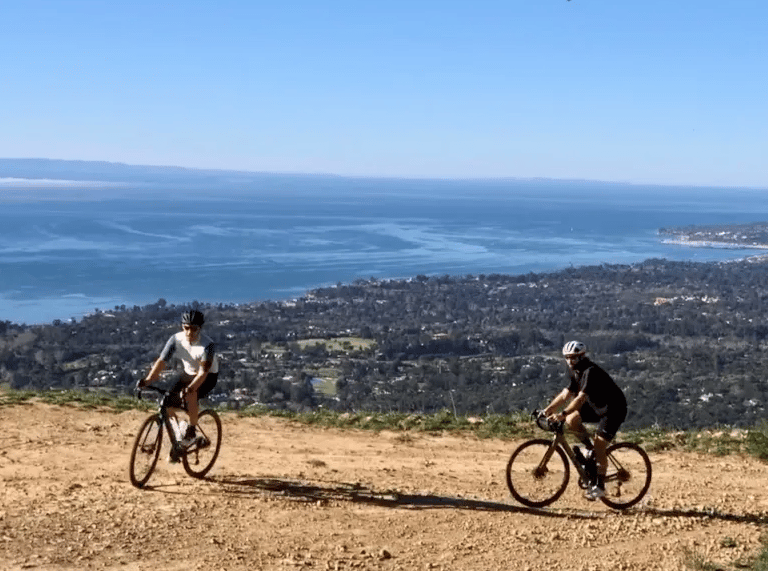
The outdoor lifestyle is central to why people fall in love with Goleta Valley. Within a 15-minute drive, you can move from monarch butterfly groves to redwood cathedrals to blufftop ocean trails.
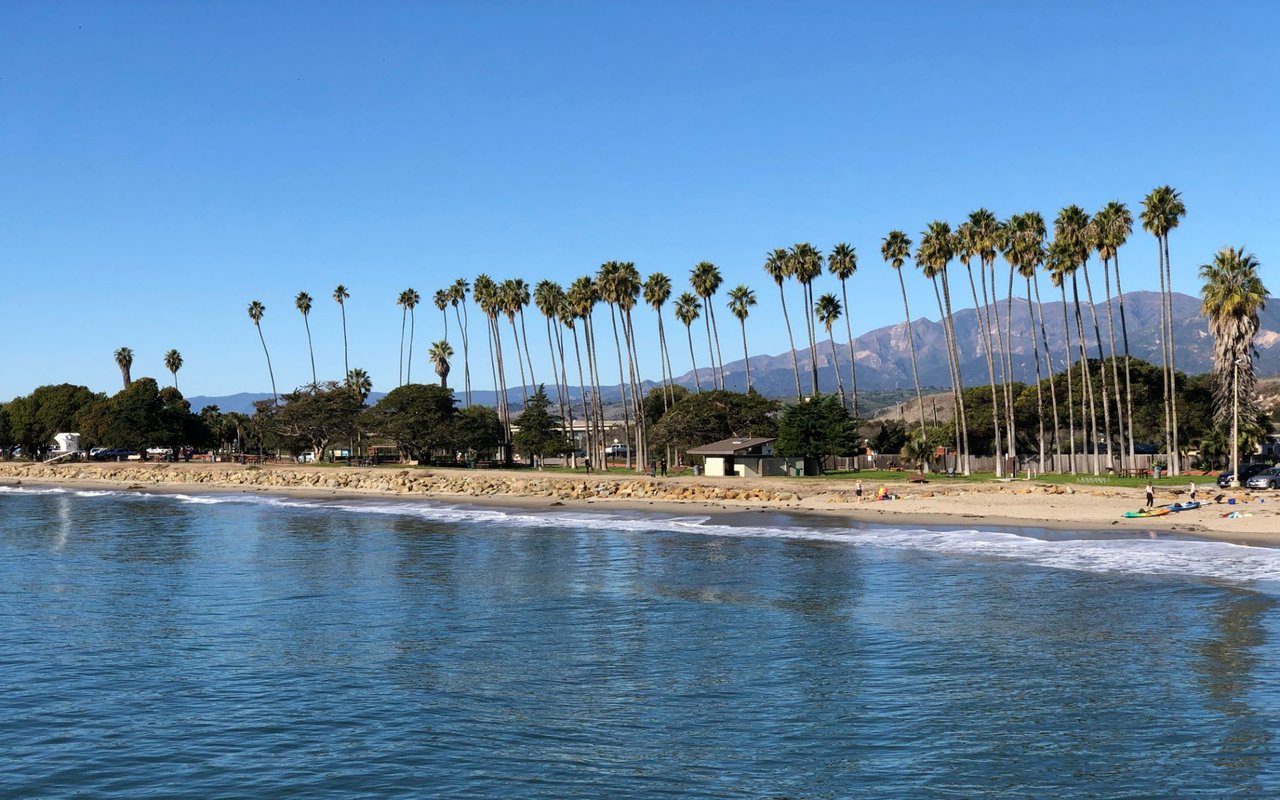
Goleta Beach County Park is the community's coastal centerpiece. Its 1,500-foot fishing pier, wide grassy lawns, volleyball courts, and calm waters make it a year-round gathering spot for families, kayakers, and paddleboarders. Ellwood Beach offers a wilder, more rugged alternative, accessible via trails across the 230-acre Ellwood Mesa open space. Haskell's Beach, tucked below the Ritz-Carlton Bacara on the western edge of the valley, is a favorite for surfing and tide pooling.
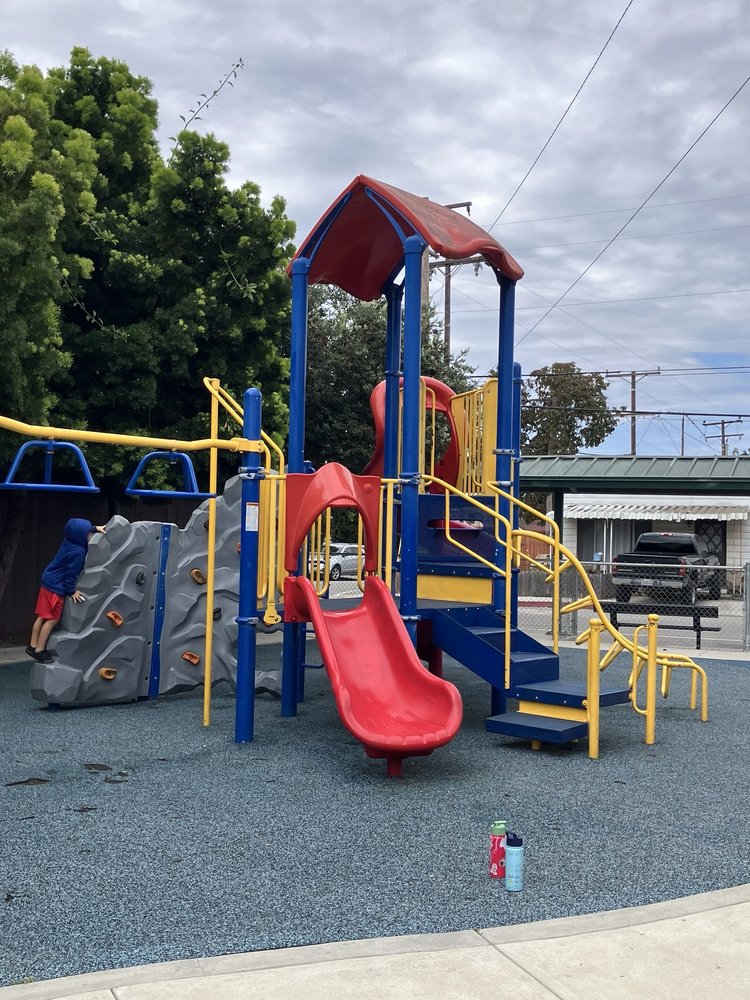
Inland, the parks are just as memorable. The Coronado Butterfly Preserve hosts thousands of migrating monarchs each winter between November and February, a spectacle that has become a local tradition. Stow Grove Park features a towering cathedral grove of coast redwood trees, an unexpected sight this far south. Lake Los Carneros Park wraps around a historic freshwater lake with miles of walking paths popular with birdwatchers and dog owners. Girsh Park serves as the valley's active-recreation hub, hosting youth sports year-round and the annual California Lemon Festival.
Goleta's food and retail scene has grown up alongside its tech workforce, and the result is a genuinely interesting mix of longtime local staples and newer establishments. The dining lean is casual, high-quality, and unpretentious.
Mexican cuisine is a real strength here. Los Agaves has become a landmark destination for upscale, authentic dishes, and Old Town Goleta is packed with multi-generational taquerias and family-run kitchens. The Habit Burger Grill, now a national chain, actually started right here in the Goleta Valley, which locals still take pride in. For sit-down dining, The Nugget and CAYA at the Leta Hotel are longtime favorites. The craft beer scene has quietly turned Goleta into a South Coast micro-brew hub, with Captain Fatty's, M.Special Brewing Company, and Draughtsmen Aleworks anchoring the community's social life on any given weekend.
Retail is concentrated in a handful of accessible open-air centers rather than a traditional downtown. Camino Real Marketplace is the largest, anchored by Costco, Home Depot, Target, and a movie theater, and it hosts the popular Goleta Farmers Market on Sundays. The Fairview Shopping Center serves as the mid-valley neighborhood hub with local grocery stores and independent businesses. Beyond retail, Goleta's business identity is dominated by its tech and industrial employers, including AppFolio, Yardi Systems, Raytheon Vision Systems, and Deckers Brands, the global headquarters for UGG and Hoka.
Goleta is the economic engine of the Santa Barbara South Coast. While Santa Barbara leans on tourism and hospitality, Goleta runs on higher education, engineering, aerospace, and software. That mix creates a remarkably stable local economy, one that has weathered downturns better than many California coastal markets.
UCSB is the foundational anchor. As the largest employer in the region, the university produces a constant flow of engineering, computer science, and materials science graduates who often stay in the area, feeding directly into the local tech workforce. Its research programs spin off startups and commercial partnerships regularly, and the combined student, faculty, and staff population of more than 25,000 sustains huge portions of the local housing, retail, and service economies.
Beyond the university, Goleta earned a "Silicon Beach North" reputation for good reason. AppFolio and Yardi Systems both maintain major corporate footprints in the valley's business parks. Raytheon Vision Systems continues Goleta's decades-long aerospace legacy, developing advanced infrared and space imaging technologies. And Deckers Brands runs its global headquarters here, with UGG and Hoka now recognized worldwide. For homebuyers, this employment diversity translates into meaningful market stability that few coastal California communities can match.
Life in Goleta Valley moves at a distinctly different pace than Santa Barbara. It's more family-oriented, more casual, and more grounded in local traditions than tourist attractions. Residents take genuine pride in preserving the valley's identity, and that shows up in everything from grassroots conservation efforts to well-attended community festivals.
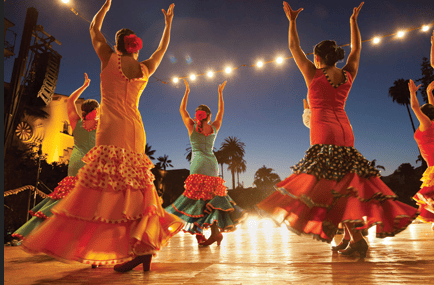
The California Lemon Festival every September at Girsh Park is the signature annual event, celebrating the valley's citrus-growing heritage with live music, a car show, family rides, and lemon-themed food and drink. The Goleta Fireworks Festival on July 4th draws families from across the South Coast for food trucks, live bands, and an evening fireworks display. The historic Stow House regularly hosts bluegrass festivals, holiday gatherings, and heritage days that connect residents to the valley's 19th-century ranch history.
On a day-to-day level, culture here revolves around the outdoors and the community table. It's common to see neighbors loading surfboards for a morning session at Campus Point before heading to work, or gathering at craft brewery taprooms in the evening where tech engineers, UCSB professors, and third-generation locals mix without pretense. Grassroots preservation is strong, with active community efforts protecting the Ellwood Mesa monarch groves, the Goleta Slough, and landmarks like Fairview Gardens organic farm. This is a community where people know their neighbors, and that alone makes it feel different from much of coastal California.
Navigating Goleta Valley's real estate market requires a clear-eyed understanding of what makes it tick: constrained inventory, a strong local employment base, and pricing tiers that vary widely depending on neighborhood and property type.
For buyers, expect an entry point around $700,000 to $900,000 for condos and townhomes. Standard mid-century single-family homes typically fall between $1.2 million and $1.6 million, and larger foothill properties or eastern valley estates can move past $2.5 million quickly. While the market has stabilized compared to the frenzy of 2021 and 2022, well-priced homes still move in 40 to 60 days, and multiple-offer situations remain common in the most desirable pockets. Pre-approval is not optional here. A significant share of local transactions involve all-cash buyers, so financing needs to be locked in before you start writing offers. If single-family pricing is out of reach, the townhome and condo communities in Central Goleta and Ellwood offer strong entry points with long-term appreciation potential.
For sellers, the biggest mistake is overpricing based on peak-market comps. Today's buyers are payment-sensitive, and a home that sits will accumulate days on market and force eventual reductions. Pricing at or slightly below recent comparables is the surest way to generate competing offers. Presentation matters more than ever. Buyers paying premium prices expect turnkey condition, professional staging, strong natural light, and clean landscaping. Highlighting the specific lifestyle elements Goleta buyers actually want, like large backyards, proximity to Ellwood Mesa or Lake Los Carneros trails, or walkability to Old Town's breweries and shops, consistently outperforms generic listing language. And if you're on the fence about selling, the rental market is strong enough that holding as an investment property remains a genuinely viable alternative.
Alemann & Associates is a boutique luxury real estate firm serving Goleta, Santa Barbara, Montecito, and Carpinteria. Led by broker and founder Terence Alemann, who was educated at UCSB and has spent more than 14 years working in this market as both an investor and an advisor, the team brings a genuine local perspective to every transaction. Whether you are relocating to the South Coast, buying your first home in the valley, selling a longtime family property, or exploring investment opportunities in the strong local rental market, the team's approach centers on integrity, discretion, and the kind of neighborhood-level insight that only comes from years of living and working here.
To start a conversation about your goals in the Goleta Valley market, reach out directly to Terence Alemann at [email protected] or (805) 637-3378. You can also visit alemannrealty.com to browse current listings, meet the full team, and explore additional South Coast neighborhood resources, or follow along on Instagram at @alemann_associates for local market updates and community highlights.
There's plenty to do around Goleta Valley, including shopping, dining, nightlife, parks, and more. Data provided by Walk Score and Yelp.
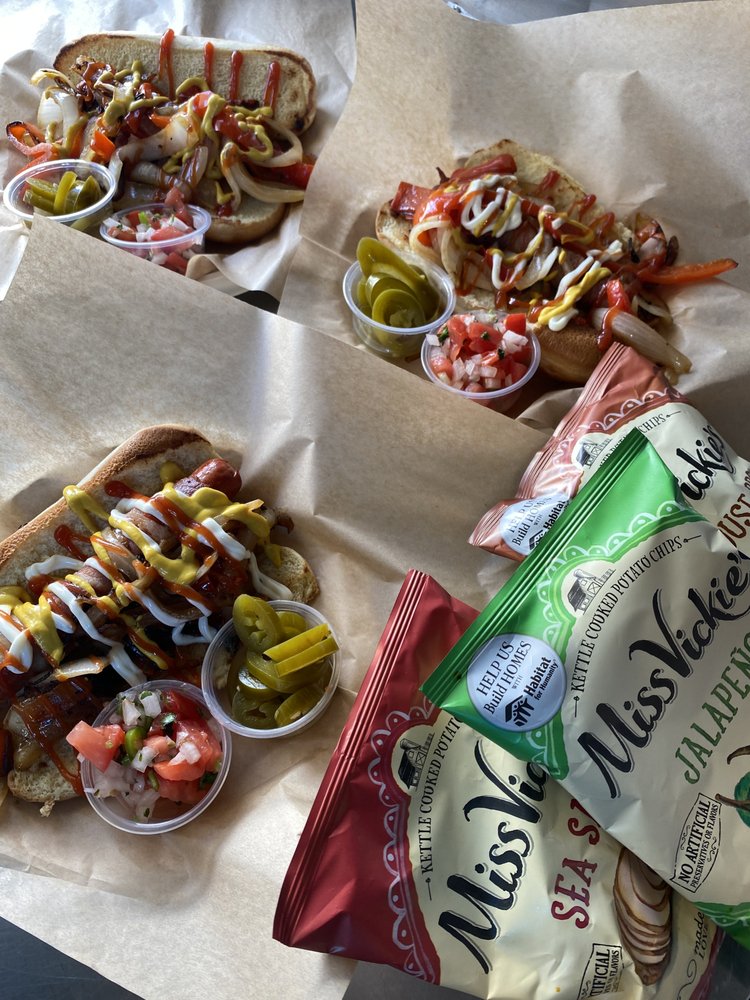
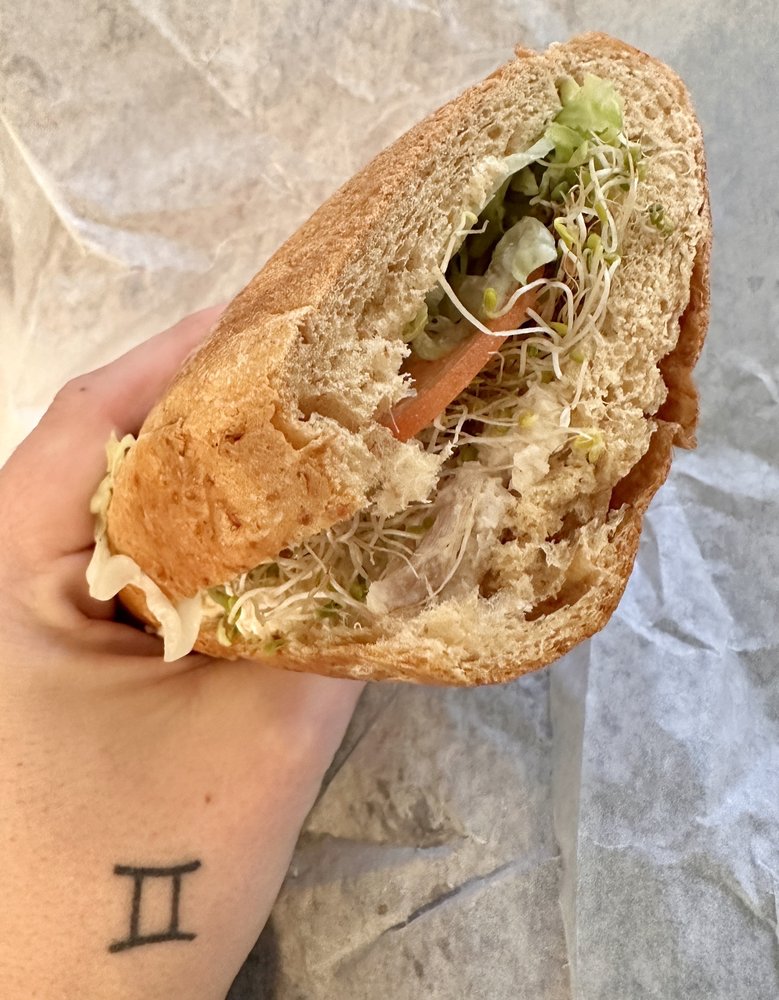
Explore popular things to do in the area, including Sidez, On The Side, and Santa Barbara Woodfire Catering.
| Name | Category | Distance | Reviews |
Ratings by
Yelp
|
|---|---|---|---|---|
| Dining | 0 miles | 0 reviews | 0/5 stars | |
| Dining | 0 miles | 0 reviews | 0/5 stars | |
| Dining | 0.48 miles | 35 reviews | 5/5 stars | |
| Dining · $ | 0.48 miles | 31 reviews | 4.9/5 stars | |
| Dining | 0.55 miles | 27 reviews | 4.7/5 stars | |
| Dining | 0.59 miles | 1 review | 5/5 stars | |
| Dining · $ | 0.6 miles | 49 reviews | 3.5/5 stars | |
| Dining | 0.63 miles | 1 review | 5/5 stars | |
| Dining | 0.65 miles | 0 reviews | 0/5 stars | |
| Shopping | 0.48 miles | 46 reviews | 3.6/5 stars | |
| Shopping | 0.52 miles | 0 reviews | 0/5 stars | |
| Shopping | 0.53 miles | 0 reviews | 0/5 stars | |
| Shopping | 0.54 miles | 2 reviews | 3/5 stars | |
| Active | 0 miles | 1 review | 3/5 stars | |
| Active | 0 miles | 0 reviews | 0/5 stars | |
| Active | 0 miles | 0 reviews | 0/5 stars | |
| Active | 0 miles | 0 reviews | 0/5 stars | |
| Active | 0 miles | 0 reviews | 0/5 stars | |
| Active | 0 miles | 0 reviews | 0/5 stars | |
| Active | 0.34 miles | 1 review | 5/5 stars | |
| Active | 0.44 miles | 59 reviews | 4.1/5 stars | |
| Active | 0.6 miles | 0 reviews | 0/5 stars | |
| Active | 0.65 miles | 0 reviews | 0/5 stars | |
| Beauty | 0.33 miles | 2 reviews | 3/5 stars | |
|
|
||||
|
|
||||
|
|
||||
|
|
||||
|
|
||||
|
|
Goleta Valley has 12,135 households, with an average household size of 2.68. Data provided by the U.S. Census Bureau. Here’s what the people living in Goleta Valley do for work — and how long it takes them to get there. Data provided by the U.S. Census Bureau. 32,693 people call Goleta Valley home. The population density is 4,163 and the largest age group is Data provided by the U.S. Census Bureau.
Total Population
Population Density Population Density This is the number of people per square mile in a neighborhood.
Median Age
Men vs Women
Population by Age Group
0-9 Years
10-17 Years
18-24 Years
25-64 Years
65-74 Years
75+ Years
Education Level
Total Households
Average Household Size
Average individual Income
Households with Children
With Children:
Without Children:
Marital Status
Blue vs White Collar Workers
Blue Collar:
White Collar: