8,823 people live in Montecito, where the median age is 51.8 and the average individual income is $132,404. Data provided by the U.S. Census Bureau.
Total Population
Median Age
Population Density Population Density This is the number of people per square mile in a neighborhood.
Average individual Income
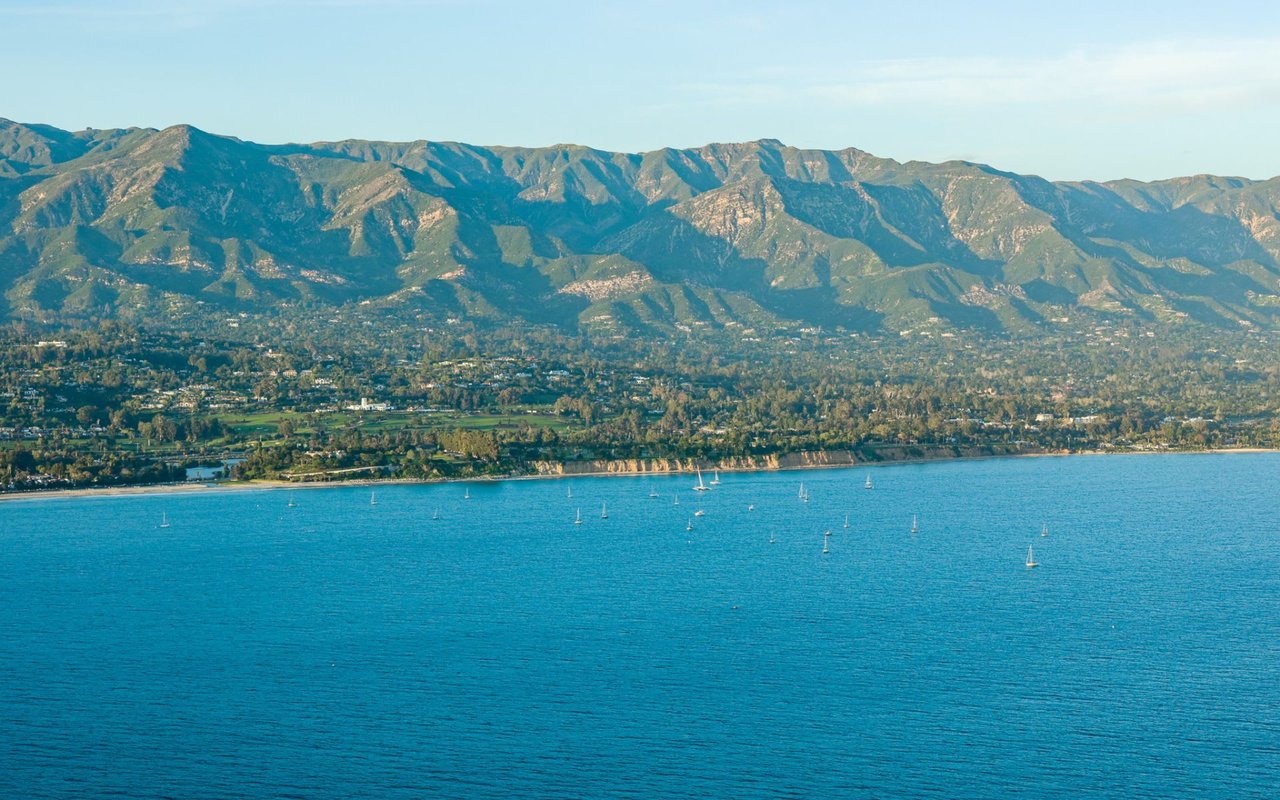
Montecito stands as California's most exclusive and discreet enclave, where understated elegance meets breathtaking natural beauty along one of the world's most spectacular coastlines. Nestled between the Santa Ynez Mountains and the Pacific Ocean just east of Santa Barbara, this 9-square-mile paradise represents the pinnacle of American luxury living—a place where billionaires are considered regular folks and celebrities blend seamlessly into the community fabric.
With a median home price of $7.5 million as of 2024, Montecito isn't for everyone—and that's precisely the point. This intimate community of approximately 8,800 residents offers something money can barely buy elsewhere: absolute privacy combined with world-class amenities, Mediterranean climate perfection, and neighbors who value discretion as much as you do. Living in Montecito means morning walks on secluded beaches where you might encounter Oprah, lunches at intimate bistros frequented by royalty, and evenings in your estate surrounded by century-old oaks and manicured gardens with both mountain and ocean views.
The community's appeal transcends its celebrity roster. The median household income stands at $222,966, supporting a lifestyle defined by exceptional schools, cultural sophistication, architectural masterpieces, and a small-town atmosphere that prioritizes community over ostentation. Here, success whispers rather than shouts. Wooden street signs, strict development codes preserving the area's character, lush landscaping creating natural privacy barriers, and a palpable sense of sanctuary make Montecito the ultimate refuge for those who've earned the right to live exactly as they please—quietly, beautifully, and extraordinarily well.
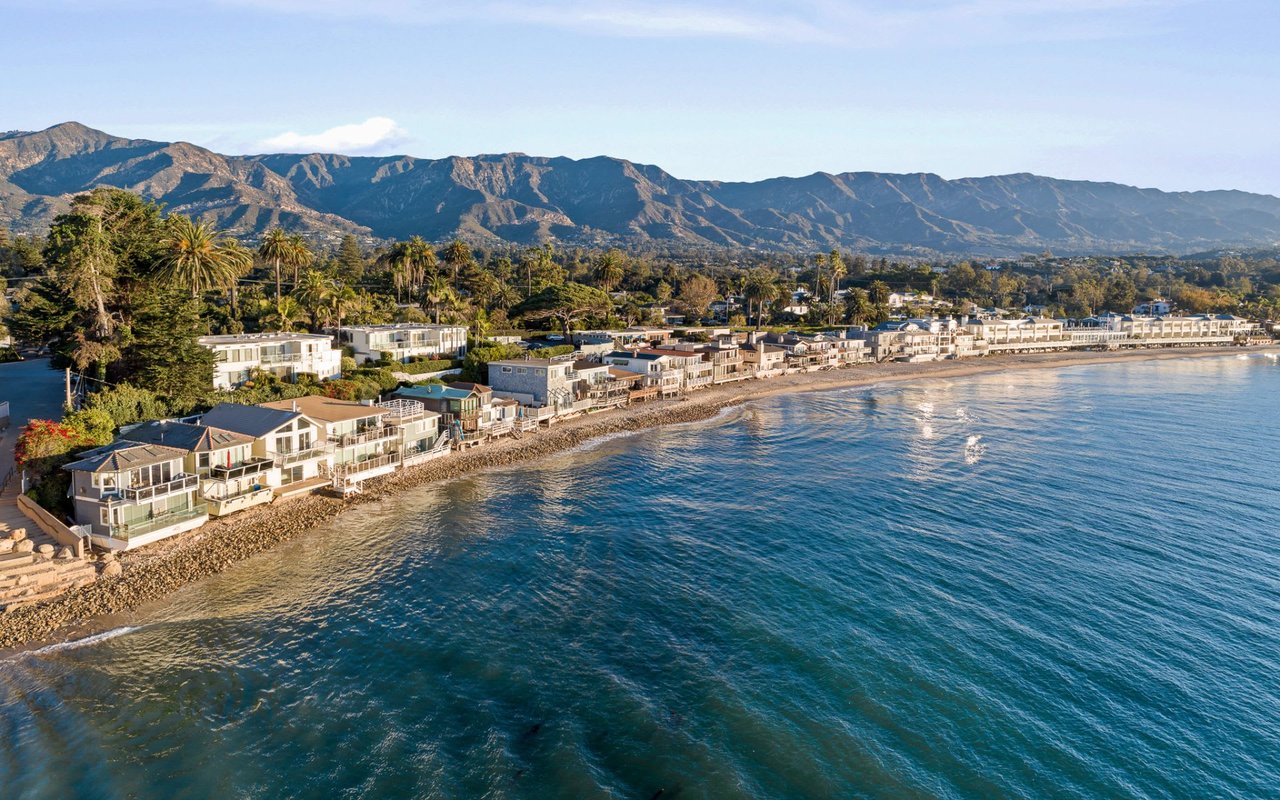
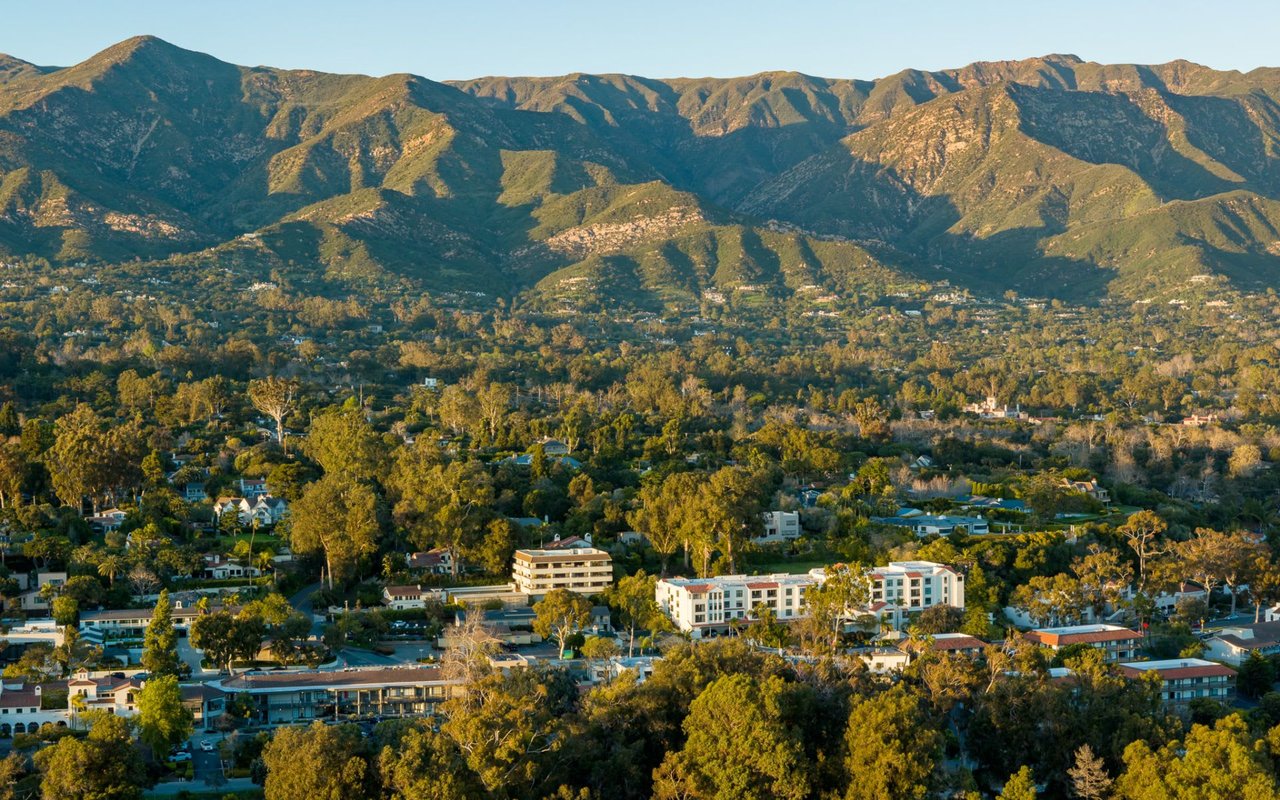
Montecito occupies a narrow coastal plain between the Santa Ynez Mountains' dramatic south-facing slopes and the Pacific Ocean, approximately 80 miles northwest of Los Angeles and immediately east of Santa Barbara. The area encompasses roughly 9 square miles, stretching from Summerland on the east to Santa Barbara's eastern neighborhoods on the west, with elevation rising from sea level to foothills reaching several hundred feet.
The geography creates Montecito's signature beauty: ocean breezes moderate temperatures while mountains provide dramatic backdrops and define microclimates within the community. Montecito experiences a warm Mediterranean climate with onshore breezes significantly moderating temperatures, resulting in warmer winters and cooler summers compared with places further inland. This perfect climate—daytime highs typically in the 60s and 70s year-round—enables the area's legendary gardens and century-old landscaping to flourish.
Geographic Districts & Orientation:
Montecito lacks formal district names, with areas typically identified by major roads or estates:
Major Roads:
Notable roads include East Valley Road, Mountain Drive, and Sycamore Canyon Road, all forming part of State Route 192, while U.S. Route 101 freeway runs along the south end of town, connecting Montecito with the broader Santa Barbara region.
Getting Around:
Montecito is decidedly car-dependent, though by choice rather than necessity. Residents drive luxury vehicles on quiet, tree-lined lanes connecting estates to shopping districts and beaches. The area prioritizes discretion over walkability—you won't find sidewalks on many residential streets, reflecting the community's preference for privacy and space.
Most residents maintain multiple vehicles, with Tesla and Range Rover being particularly popular. Distances within Montecito are short (typically 5-10 minutes between most points), though gated estates and winding roads create intentional separation. Coast Village Road and Upper Village serve as walkable commercial centers where residents shop and dine, but most daily movement requires driving.
The nearest Amtrak train station with rail service is in Santa Barbara. Santa Barbara Municipal Airport provides private and some commercial aviation access, while major air travel typically uses Los Angeles International Airport or Burbank. Many Montecito residents own or charter private aircraft.
Biking exists more as recreation than transportation, with residents cycling for exercise rather than errands. The area's beauty makes it popular for leisurely rides, though the lack of bike infrastructure on residential streets and hills in upper Montecito limit cycling's practical utility.
Montecito embodies a paradox: it's simultaneously California's most exclusive community and its most understated. Unlike ostentatious enclaves where wealth demands attention, Montecito whispers its affluence through centuries-old trees, impeccably maintained gardens hidden behind hedges, and the absence rather than presence of visible luxury. The vibe is "old money meets new tech fortune," where a person in worn jeans at Pierre Lafond might own a $50 million estate, and no one makes a fuss when spotting someone famous.
The community operates on discretion as currency. Residents value privacy, quiet, and beauty above status displays. There's a palpable sense of sanctuary—gates, hedges, and social norms create barriers against intrusion, whether from paparazzi or merely the outside world's noise. Yet within this privacy-obsessed culture exists genuine community: neighbors know each other's dogs, gather at local spots, and share concerns about fire safety, mudslides, and preserving Montecito's character against development pressures.
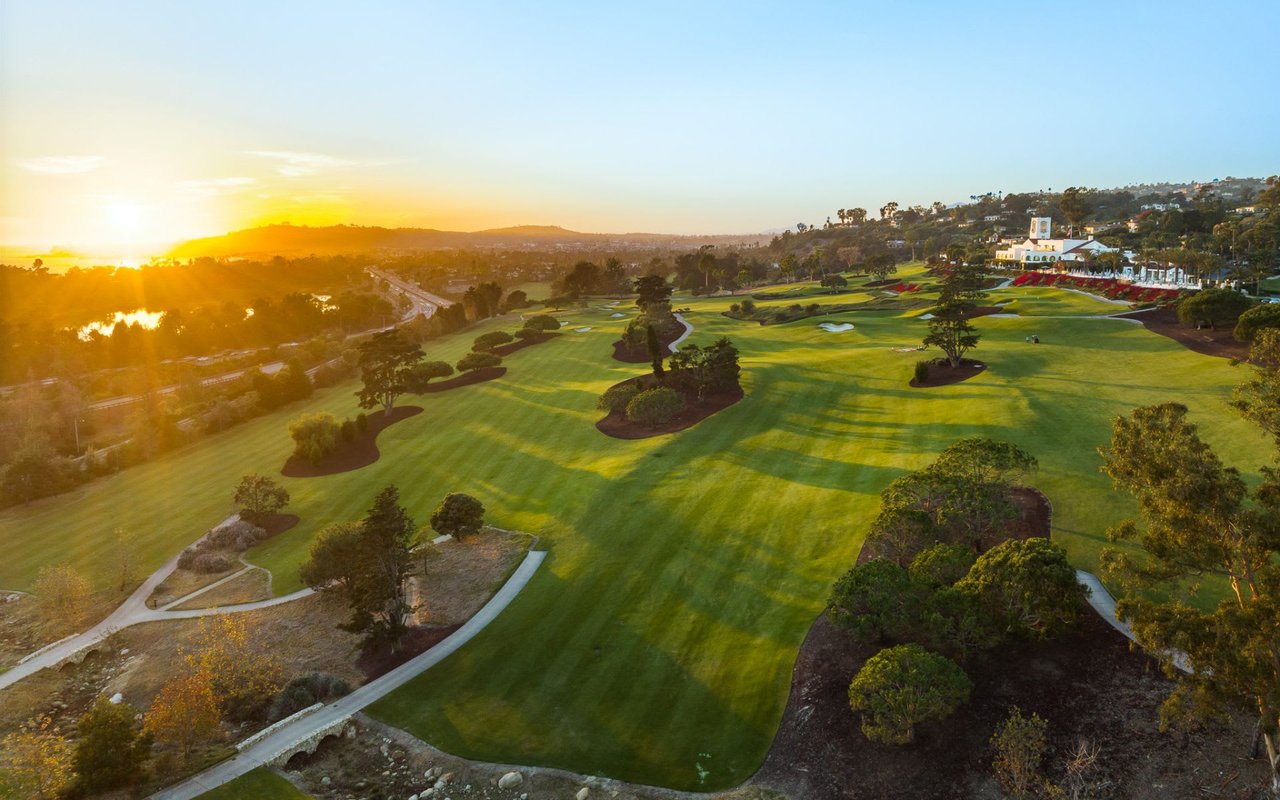
The lifestyle balances active outdoor pursuits with cultural sophistication. Morning hikes in the foothills, beach walks, horseback riding, and tennis occupy daylight hours, while evenings bring intimate dinners at Tre Lune, fundraisers at historic estates, or quiet nights at home with ocean sunset views. It's a community that values experiences, health, and relationships over conspicuous consumption—though the consumption itself remains quite spectacular.
Demographics & Community Profile
Montecito's population of approximately 8,800 residents is predominantly White (81.1%), followed by Hispanic (8.9%) and those identifying as two or more races (6.9%). The median age is 51.8 years, significantly above both California and national averages, reflecting the community's appeal to established professionals, successful entrepreneurs, and retirees who've reached the pinnacle of their careers.
The median household income of $222,966 ranks among California's highest, though this statistic understates actual wealth—many residents' income derives from investments, capital gains, and assets rather than salary. About 66.5% of households are families, though only 29% have children under 18, suggesting many are empty-nesters or couples without young children.
Educational attainment is extraordinary, with 74.9% holding bachelor's degrees or higher — more than double the California rate. About 30.8% of working residents run their own businesses, reflecting the entrepreneurial and creative class that dominates Montecito.
The celebrity contingent—Oprah Winfrey, Prince Harry and Meghan Markle, Ellen DeGeneres, Rob Lowe, Ariana Grande, Adam Levine, Gwyneth Paltrow, Jennifer Aniston, and many others—represents only a fraction of residents, though their presence defines Montecito's public image. More typically, residents include tech executives, entertainment industry producers and directors, finance professionals, established attorneys, successful medical professionals, entrepreneurs who've exited companies, and multi-generational families who've owned Montecito properties for decades.
Local Culture & Lifestyle Highlights
Montecito culture revolves around a few core values: discretion, environmental stewardship, architectural preservation, and community protection. Residents fiercely defend the area's character against over-development, commercial intrusion, and anything threatening the sanctuary they've created.
The social scene operates through intimate networks rather than public events. Fundraisers for Music Academy of the West, environmental causes, and local schools bring the community together, as do gatherings at San Ysidro Ranch, private estate events, and low-key appearances at local restaurants. Unlike Beverly Hills or Miami, Montecito doesn't "scene"—you won't find nightclubs or places to be photographed. The social currency is invitation to private events, not public visibility.
Horses remain integral to Montecito culture, with many estates including equestrian facilities. The area's history as a ranching community persists through riding trails, stables, and the equestrian lifestyle many residents maintain. Gardens represent another cultural obsession—residents invest extraordinary sums in landscaping, often employing full-time gardeners to maintain grounds that rival public botanical gardens.
Environmental consciousness runs deep, shaped partly by the 2018 Thomas Fire and subsequent mudslides that killed 20 people and devastated parts of Montecito. The trauma reinforced community bonds and heightened awareness of climate risks, fire safety, and environmental protection. Residents discuss evacuation plans as casually as restaurant recommendations.
The cultural sophistication reflects residents' backgrounds and resources. Many maintain homes in New York, Los Angeles, or internationally, bringing global perspectives. Local philanthropy supports Santa Barbara's cultural institutions—the symphony, art museums, theaters—while Montecito itself maintains intimate venues like Music Academy of the West and private galleries.
Montecito real estate represents California's most exclusive residential market, dominated by estates rather than typical homes. Properties generally fall into several categories:
Common features across price points include multi-acre lots, mature landscaping (ancient oaks, olive groves, rose gardens), pools and spas, tennis courts, separate guest houses, wine cellars, home theaters, and staff quarters. Properties under 2 acres are relatively rare; estates of 5-20+ acres are common at higher price points.
Recent Housing Market Data
As of September 2024, the median home price in Montecito sits around $4.8 million, though this masks extraordinary price stratification. In July 2025, the median sale price was $5.3 million, with significant month-to-month variation based on which properties transact.
For the first half of 2024, Montecito's median sold price was $5.8 million, up from $5 million in 2023, while average sold price reached $8.7 million, up significantly from $6.5 million. Sales ranged from a $1.7 million condo to a $36.8 million estate, demonstrating the market's breadth.
High-end estates and oceanfront properties continue to command premiums, with sales prices often exceeding $10 million for the most prestigious listings, while smaller estates or older properties requiring updates may offer entry points around the $3 million mark. In the first half of 2024, there were nine sales over $10 million.
The ultra-luxury segment shows particular strength. In 2024, seven homes sold for $30 million or more, versus just one in 2023, with the highest sale being a $96 million oceanfront estate on Padaro Lane.
The market is somewhat competitive, with homes selling in approximately 61 days on average, though wealthy buyers often complete cash-based transactions or make substantial down payments, with mortgage rates having minimal impact on the high-end market.
The median property value in 2023 was $2 million, though this Census figure likely undercounts the market's true value given lag in reporting and the prevalence of properties far exceeding this figure.
Condos show different dynamics, with median sales prices around $925,000 and average days on market at 29, offering more accessible entry points to Montecito addresses.
Why Invest in Montecito Real Estate
Montecito real estate represents the ultimate luxury asset for several compelling reasons:
When buying:
When Selling
Montecito offers both exceptional public schools and prestigious private options, reflecting the community's commitment to education.
Public Schools
Montecito Union School serves grades K-6 with 344 students and a 13:1 student-teacher ratio. The school ranks #37 in California Elementary Schools and among the top 1% of public schools statewide, with 87% of students scoring proficient or above in math and 89% in reading—far exceeding state averages. Montecito Union is a designated California Distinguished School and received Gold Ribbon recognition in 2016.
Cold Spring School is another TK-6 public school serving approximately 194 students, designated as a California Distinguished School and Gold Ribbon School in 2016, with students consistently performing in the top 5-10% of all elementary schools in California. Cold Spring ranked as the top-performing district in California in both English Language Arts and Mathematics.
For middle and high school, Montecito students typically attend Santa Barbara Unified School District schools, with some families choosing private options.
Private Schools
Crane Country Day School is a private K-8 school located in Montecito with 260 students and a 4:1 student-teacher ratio.
Laguna Blanca School is a private K-12 school with two locations (Montecito and Hope Ranch), 350 students total, and an 8:1 student-teacher ratio, with the Montecito campus serving Kindergarten through fourth grade.
Other area private school options include Cate School (prestigious boarding school), Providence School (Christian education), and various Santa Barbara private schools. Many Montecito families also send children to elite boarding schools nationally once they reach high school age.
The exceptionally high academic performance of Montecito schools, combined with small class sizes and involved parent communities, creates an educational environment matching the area's overall excellence.
Montecito's outdoor spaces blend public beaches and trails with private estate grounds that often rival public parks.
Beaches
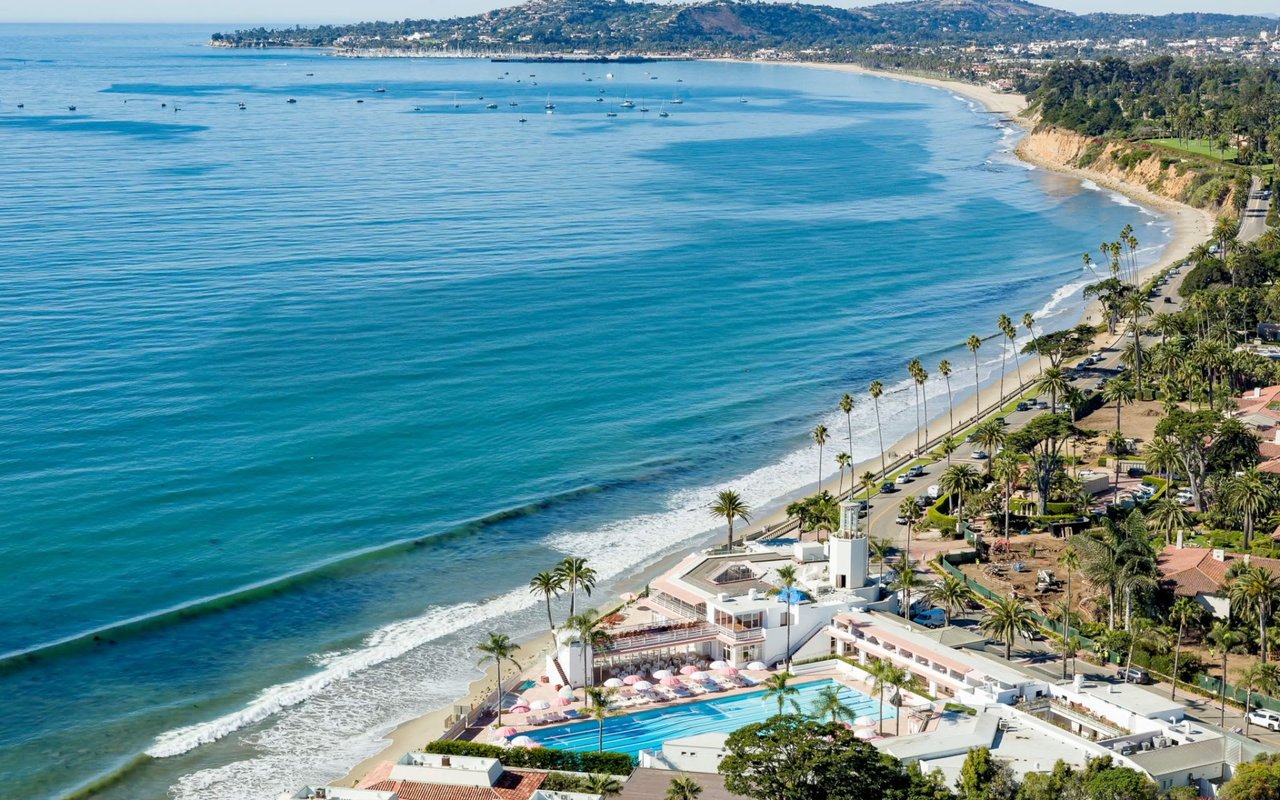
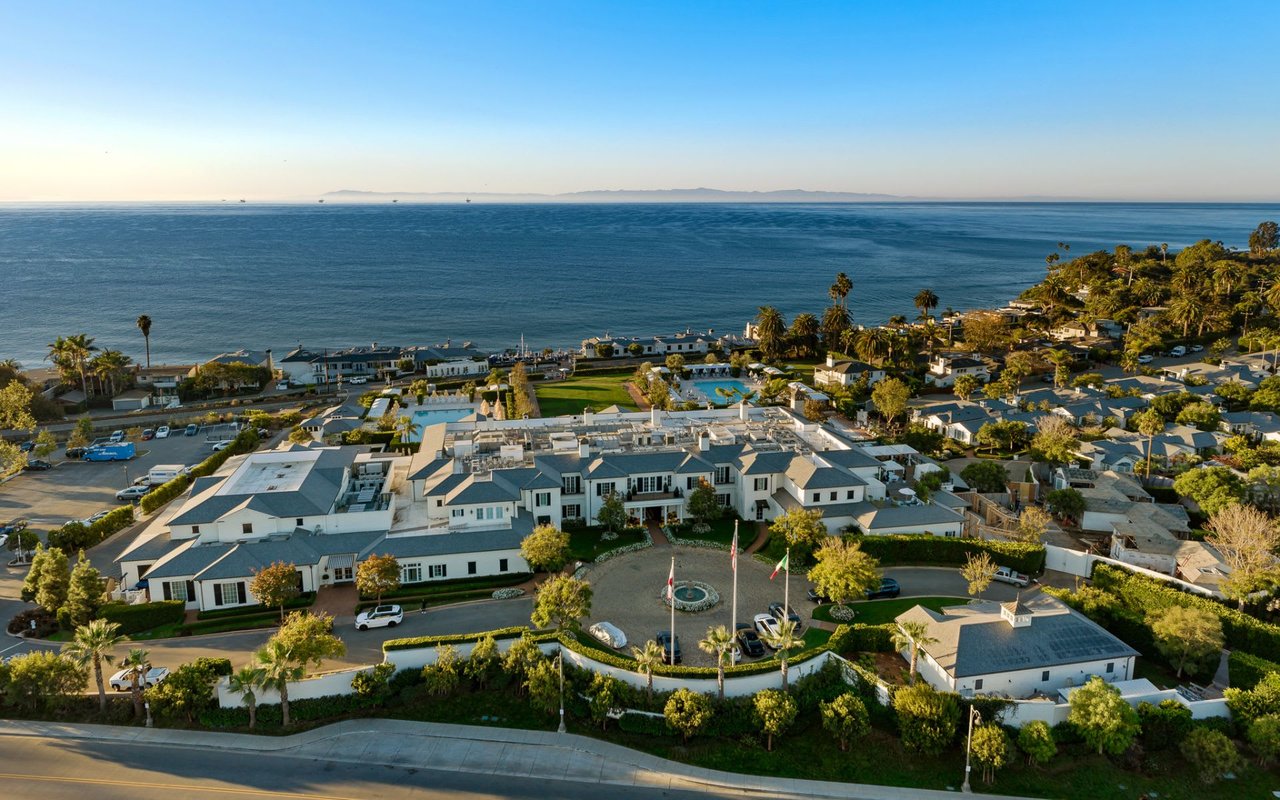
Montecito's coastline offers several distinct beach experiences. Butterfly Beach, named for monarchs that flutter through the area, provides a popular west-facing stretch perfect for sunsets, with dogs permitted on-leash and proximity to the Four Seasons Biltmore. Miramar Beach offers calmer waters and access via Rosewood Miramar Beach resort. Hammond's Beach attracts surfers and provides more rugged coastal beauty. Fernald's Point marks the eastern boundary with dramatic bluffs and tide pools.
All beaches are technically public (California's Coastal Act guarantees access), though parking limitations and lack of clear access points create de facto privacy for nearby residents. The beaches rarely feel crowded, maintaining the serenity residents expect.
Hiking Trails
Montecito's Santa Ynez Mountain foothills provide extraordinary hiking accessed via several trailheads. Hot Springs Canyon Trail offers a challenging climb with rewarding views stretching from Oxnard to the Channel Islands. Cold Spring Trail provides varied difficulty levels with creek crossings and waterfall destinations. San Ysidro Trail, accessed near San Ysidro Ranch, winds through canyons with seasonal wildflowers. Tangerine Falls Trail leads to a 120-foot cascade (seasonal flow). These trails range from moderate family hikes to strenuous climbs requiring fitness.
Parks
Manning Park (divided into Upper and Lower sections by San Ysidro Road) provides open lawns, picnic areas, tennis courts, barbecue facilities, and a small playground in a charming, tree-covered setting—serving as a community gathering spot for families.
Gardens & Estates Open to Public
Lotusland is a stunning 37-acre botanical garden in Montecito's hills, home to more than 3,000 species of plants, many rare or endangered, created by opera singer and socialite Madame Ganna Walska. The garden features distinct themed areas including water gardens, Japanese gardens, cactus gardens, and bromeliad collections. Advance reservations required for guided tours.
Casa del Herrero is a National Historic Landmark showcasing 1920s-era Spanish Colonial Revival design and architecture, with beautiful gardens, open for guided tours by reservation.
Shopping Districts: Montecito's retail concentrates in three main areas:
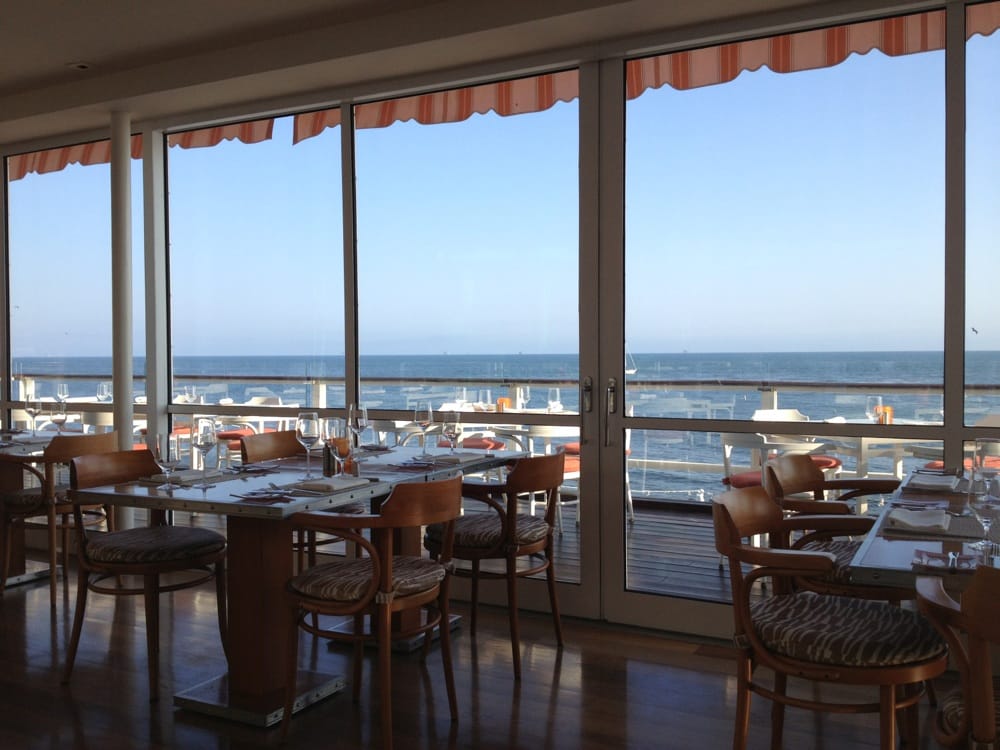
Dining Scene: Montecito's restaurant scene balances sophistication with low-key atmosphere, favoring quality over flash.
The dining philosophy emphasizes quality ingredients, intimate settings, and discretion—you won't find flashy scenes or paparazzi magnets, just exceptional food in beautiful settings where celebrities and regulars dine side-by-side without fanfare.
Entertainment
Montecito itself offers limited nightlife by design—this isn't a community seeking clubs or late-night scenes. Entertainment centers on:
Residents seeking nightlife typically head to Santa Barbara's State Street district or Los Angeles for major concerts, shows, and events. Montecito's appeal lies in its quietude—evenings mean dinner at home or local restaurants, sunset walks, and early-to-bed lifestyles befitting the community's mature demographic.
Beyond the beaches, gardens, and dining, Montecito offers:
Montecito's landmarks emphasize natural beauty and historic estates rather than commercial attractions:
The "landmark" most visitors seek remains celebrity homes, though these stay private behind gates and hedges. Tour buses occasionally creep through, though residents actively discourage this through privacy measures and community pressure.
Montecito intentionally avoids large public events, maintaining tranquility as a core value. Events tend toward private gatherings:
Residents participate in nearby Santa Barbara's events—Summer Solstice Parade, International Film Festival, Bowl concert series—while keeping Montecito itself event-free. The community actively resists commercial festivals or large gatherings that would disrupt residential peace.
Coffee Culture: Montecito's coffee scene centers on:
The vibe is decidedly low-key: residents in athleisure grabbing coffee to-go rather than laptop warriors camping for hours. Many estates employ private chefs who prepare morning coffee; cafés serve social rather than necessity function.
Nightlife: Montecito has essentially no nightlife in the traditional sense. A few bars exist within restaurants (Lucky's Steakhouse, Honor Bar), but late-night scenes don't exist. Residents seeking cocktails visit hotel bars at San Ysidro Ranch, Rosewood Miramar, or Four Seasons, where refined atmospheres match community sensibilities. For actual nightlife—clubs, live music venues, energetic bar scenes—residents drive to Santa Barbara's Funk Zone or State Street, or more likely, skip it entirely. Montecito attracts people who've outgrown or never sought nightlife's chaos. Quiet evenings at home represent luxury, not limitation.
Montecito's most prestigious addresses command premium pricing and status:
Buyers should note that specific addresses matter less than individual property characteristics in Montecito. A spectacular estate on a lesser-known street often trumps a mediocre property on a famous lane. Focus on the property itself—land size, views, architectural quality, privacy, condition, and grounds—rather than street name alone.
Montecito is for those who've reached the pinnacle and want to live accordingly without apology or ostentation. It's for successful individuals and families who value privacy over publicity, beauty over branding, and community over crowds. It's for people who can afford the $4-10+ million entry point and annual carrying costs (property taxes, insurance, maintenance, staff) exceeding $500,000 without financial stress.
More specifically, Montecito suits:
Ultimately, Montecito works for people who've earned the right to live exactly as they choose and choose beauty, privacy, community, and discretion over alternatives. If you've reached that point—financially, professionally, personally—and these values resonate, Montecito may be your ideal home. If you're still climbing, still need external validation, or seek urban energy over tranquil sanctuary, other communities will serve better. Know yourself, visit extensively, and ensure Montecito's trade-offs align with your actual priorities, not aspirational images. For those it fits, there's nowhere else quite like it.
There's plenty to do around Montecito, including shopping, dining, nightlife, parks, and more. Data provided by Walk Score and Yelp.
Explore popular things to do in the area, including Adam Newman the travelnchef, Tydes Restaurant, and Loro Piana.
| Name | Category | Distance | Reviews |
Ratings by
Yelp
|
|---|---|---|---|---|
| Dining | 0.33 miles | 0 reviews | 0/5 stars | |
| Dining · $$$ | 0.55 miles | 59 reviews | 3.7/5 stars | |
| Shopping | 0.27 miles | 1 review | 5/5 stars | |
| Shopping | 0.27 miles | 0 reviews | 0/5 stars | |
| Shopping | 0.29 miles | 0 reviews | 0/5 stars | |
| Active | 0.08 miles | 12 reviews | 3.9/5 stars | |
| Active | 0.92 miles | 0 reviews | 0/5 stars | |
| Beauty | 0.54 miles | 36 reviews | 4/5 stars | |
|
|
||||
|
|
||||
|
|
||||
|
|
||||
|
|
||||
|
|
Montecito has 3,345 households, with an average household size of 2.29. Data provided by the U.S. Census Bureau. Here’s what the people living in Montecito do for work — and how long it takes them to get there. Data provided by the U.S. Census Bureau. 8,823 people call Montecito home. The population density is 961 and the largest age group is Data provided by the U.S. Census Bureau.
Total Population
Population Density Population Density This is the number of people per square mile in a neighborhood.
Median Age
Men vs Women
Population by Age Group
0-9 Years
10-17 Years
18-24 Years
25-64 Years
65-74 Years
75+ Years
Education Level
Total Households
Average Household Size
Average individual Income
Households with Children
With Children:
Without Children:
Marital Status
Blue vs White Collar Workers
Blue Collar:
White Collar: