Wondering why one Hope Ranch home sells quickly while another lingers, even in a high-value market? If you are preparing to sell here, you are not just putting a property on the market. You are managing pricing, presentation, disclosures, HOA coordination, and county process details that can all affect timing and leverage. This guide will walk you through the key steps to plan a smoother, more strategic home sale in Hope Ranch. Let’s dive in.
Why Hope Ranch sales need extra planning
Hope Ranch is not a typical neighborhood sale. The Hope Ranch Park Homes Association oversees a community of 773 lots across 1,863 acres, with long-standing rules designed to preserve rural character, architectural quality, view corridors, privacy, and quiet enjoyment.
For you as a seller, that means preparation goes beyond curb appeal and photography. A successful sale often requires coordination between HOA requirements and Santa Barbara County permit and land-use procedures, especially if your property has had exterior improvements, site work, or landscape changes.
Start with a pre-listing audit
Before you talk about launch dates or pricing, it helps to confirm what you are actually selling on paper and in practice. In Hope Ranch, visible improvements and exterior work may involve both HOA review and county permits.
According to the Hope Ranch Rule Book and Building Guidelines, exterior construction or renovation generally requires review by the building administrator, and required county permits must be filed with the association. That makes it smart to review items like additions, guest structures, fences, retaining walls, drainage work, landscaping changes, and tree-related work early.
Review permit history first
If you are unsure whether prior work was properly approved, check before the home goes live. Santa Barbara County provides permit status lookup tools and archived permit records, which can help clarify past approvals and identify missing pieces.
This matters because even smaller repair or improvement projects can become more involved if grading, drainage, flood-control screening, or older permit history needs to be verified. It is much easier to address those questions before buyers start asking them.
Check HOA records and applications
The HOA makes governing documents, forms, building applications, and homeowner portal access available through its system. Sellers should treat HOA document review as an early task, not something to scramble through during escrow.
If records are incomplete, delayed, or inconsistent with the property’s current condition, that can create friction later. A clean file helps support buyer confidence.
Build disclosures early
One of the easiest ways to lose momentum in a sale is to leave disclosures until after an offer arrives. In California, the Real Estate Transfer Disclosure Statement must be delivered as soon as practicable and before transfer of title.
If the disclosure is delivered after a buyer signs an offer, the buyer gets time to terminate. On a high-value listing, that can create avoidable delays at a critical moment.
Prepare the seller disclosure package before launch
A stronger approach is to assemble your disclosure stack before the home hits the market. That gives you time to review details carefully and helps your agent present a more complete opportunity from day one.
Depending on the property, that package may include:
- The California Transfer Disclosure Statement
- HOA-related resale documents required for a common-interest development resale
- Natural hazard disclosures
- Permit and improvement records
- Inspection reports or repair documentation, if applicable
Know when lead-based paint rules apply
If your home was built before 1978, federal lead-based paint disclosure rules may apply. Sellers must provide known lead information, available records and reports, the required pamphlet, and a 10-day inspection opportunity unless the parties agree אחרת or the buyer waives it.
For older Hope Ranch homes, this should be addressed early so it does not slow contract negotiations.
Expect hazard questions
California disclosure rules cover mapped flood, inundation, fire-hazard, and seismic-hazard zones. Buyers may also ask practical follow-up questions about drainage, defensible space, mitigation work, and insurance history.
That is especially relevant in Hope Ranch, where available risk summaries have flagged moderate flood risk and moderate wildfire risk. Even when buyers love a property, they often want clarity on these issues upfront.
Price for the market you have
Hope Ranch remains a highly valuable market, but buyers are still selective. Redfin market data for May 2026 shows a median sale price of $6.27 million, down 3.9% year over year, with a median 21 days on market and 20 homes sold during the month.
The same data also shows a meaningful spread in outcomes. Recent closed sales ranged from 15 to 102 days on market and from 2% above list price to 11% below list price.
Use relevant comparables, not just the median
That range tells an important story. Broad neighborhood median data is useful context, but it should not be your pricing plan.
In Hope Ranch, pricing should be anchored to the most relevant comparable properties, with close attention to condition, privacy, views, lot characteristics, and overall presentation. A seller seeking a faster sale may choose a different strategy than one willing to wait for a highly specific buyer.
Pricing affects leverage
Overpricing can do more than slow traffic. It can change the tone of the entire listing cycle and reduce your negotiating leverage if the home sits while buyers compare newer listings.
On the other hand, a well-positioned price can create stronger early engagement and a more efficient path to contract. In a market like Hope Ranch, that alignment matters.
Presentation matters more here
In any luxury sale, presentation is important. In Hope Ranch, it is even more closely tied to community rules and buyer expectations.
The Rule Book restricts visible outdoor storage, boats and trailers, unsightly vehicles, and dead vegetation or combustible material. It also regulates tree height to protect views.
Focus on exterior readiness
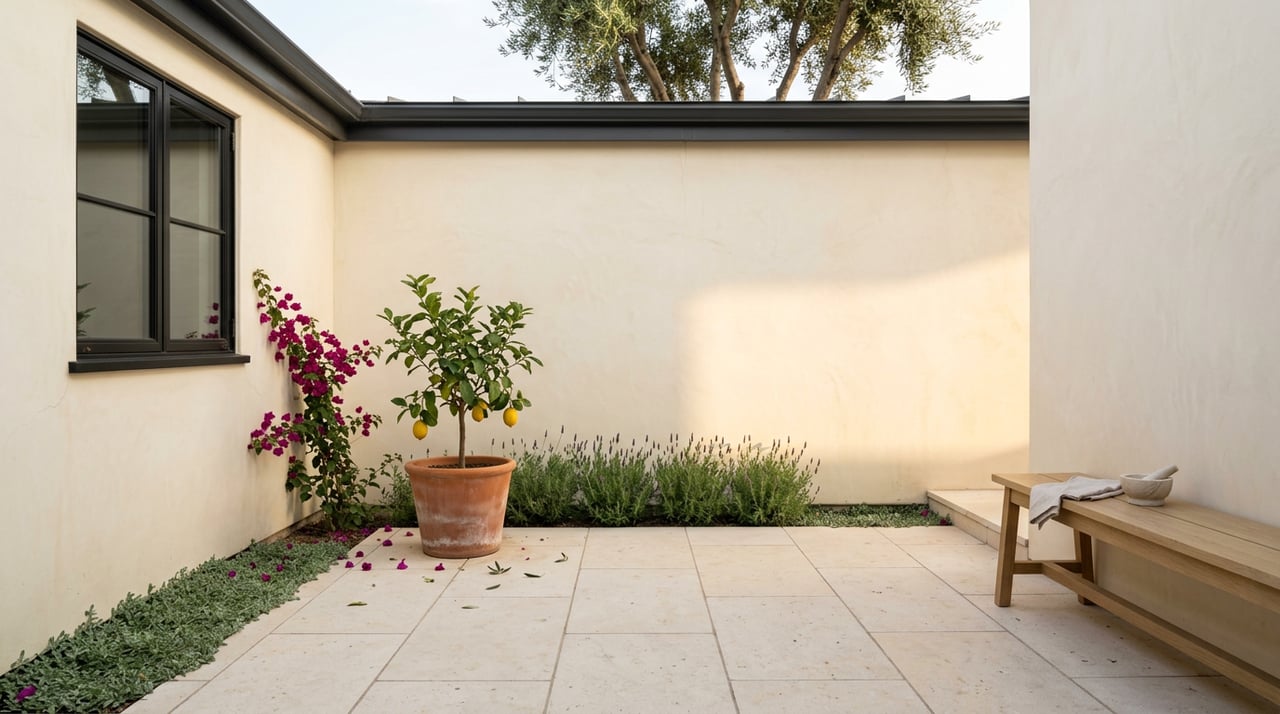
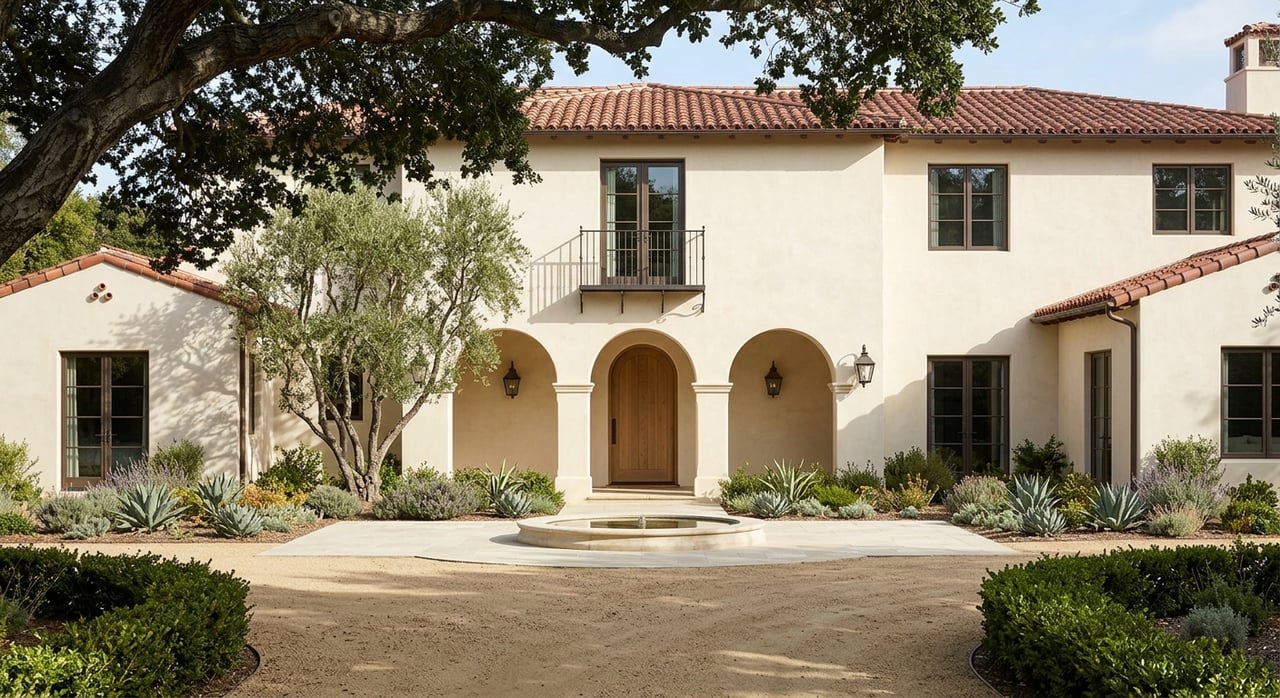
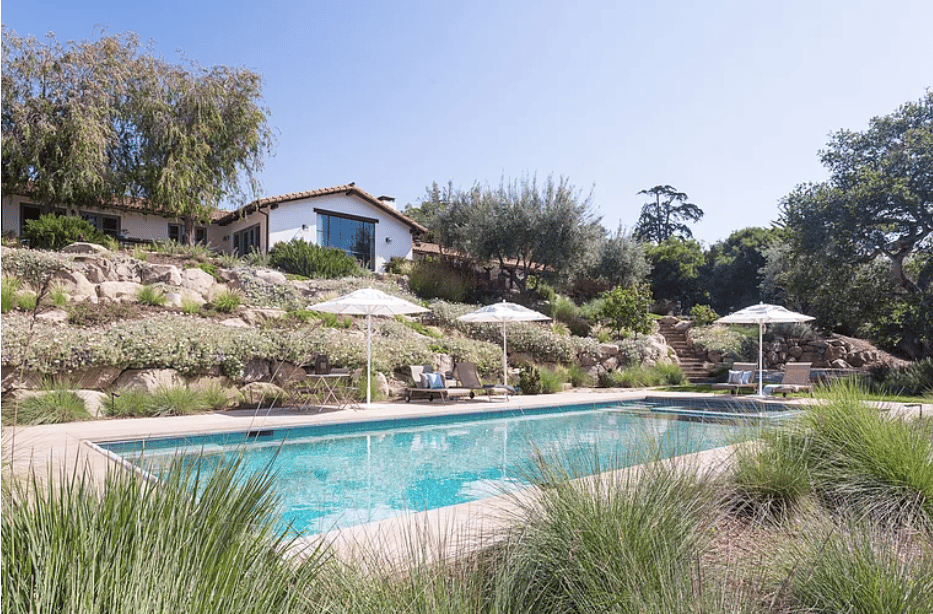
That means your pre-listing prep should include more than interior staging. You may need to address landscape grooming, driveway visibility, stored items, deferred exterior maintenance, and anything that distracts from the property’s setting.
Because the association’s guidelines also emphasize privacy and quiet enjoyment, marketing should be planned with discretion. Photography, showings, and vendor scheduling all benefit from a thoughtful, tightly managed approach.
Keep the property experience polished
Buyers in Hope Ranch are often evaluating more than square footage. They are assessing how the property feels, how well it has been maintained, and whether the home’s improvements appear consistent and well documented.
A calm, polished first impression can support both value perception and trust.
Plan a realistic sale timeline
One of the biggest mistakes sellers make is assuming the listing date should drive the process. In Hope Ranch, readiness usually matters more than speed.
A realistic plan often includes three phases: document collection, property preparation, and market launch. If repairs or improvements trigger county review, the timeline can extend further.
What your timeline may need to cover
A typical pre-sale sequence may include:
- Reviewing HOA rules and property records
- Pulling county permit history
- Identifying any unverified improvements
- Ordering and completing disclosures
- Handling pre-list repairs or maintenance
- Preparing the home for photography and showings
- Coordinating launch materials and scheduling
The goal is not to move slowly. The goal is to come to market in a way that reduces surprises once buyer interest builds.
Consider occupancy and logistics early
Hope Ranch rules can also affect how you manage the listing period itself. The Rule Book prohibits rentals of less than 30 days and treats Airbnb-style rental use as prohibited commercial use.
If you are planning a move-out, temporary occupancy, staging period, or other transition strategy while the property is listed, those rules should be part of your planning.
Closing involves local paperwork too
By the time your sale reaches closing, there are still moving pieces to keep on track. Santa Barbara County recording may involve a documentary transfer tax affidavit and a preliminary change of ownership report.
At the same time, your disclosure package, HOA documents, title coordination, escrow timing, and inspection responses all need to stay organized. In a high-value sale, clean execution is part of protecting the result.
Choose representation with local process knowledge
Hope Ranch sellers often need more than good marketing. They need a team that understands luxury pricing, discreet showings, local process, and the order in which all the details should be handled.
That includes coordinating with the Hope Ranch Park Homes Association, Santa Barbara County planning resources, title, escrow, inspectors, and disclosure vendors. When those pieces are managed well, your sale is more likely to feel proactive instead of reactive.
For sellers who value strategic pricing, polished presentation, and detail-driven execution, that local coordination can make a meaningful difference. If you are preparing to sell in Hope Ranch, Alemann & Associates can help you build a plan that reflects the property, the market, and the process.
FAQs
What makes selling a home in Hope Ranch different from selling elsewhere in Santa Barbara?
- Hope Ranch sales often involve added coordination with the Hope Ranch Park Homes Association and Santa Barbara County, especially for permits, exterior improvements, disclosures, privacy considerations, and property preparation.
What should Hope Ranch sellers review before listing their home?
- You should review property condition, permit history, HOA records, exterior improvements, required disclosures, and any planned repairs that could trigger county review.
Why are permits important when selling a Hope Ranch property?
- Hope Ranch rules and county procedures can affect additions, landscaping, drainage work, fences, retaining walls, guest structures, and other exterior changes, so permit history can become a key buyer due diligence issue.
How long does a Hope Ranch home sale usually take?
- Market data for May 2026 showed a median 21 days on market, but recent sales ranged from 15 to 102 days, so timing can vary based on pricing, condition, presentation, and overall readiness.
What disclosures matter most when selling a Hope Ranch home?
- Common disclosures can include the California Transfer Disclosure Statement, natural hazard disclosures, HOA resale documents, and lead-based paint disclosures for most pre-1978 homes.
How should a Hope Ranch seller think about pricing?
- Pricing should be based on the most relevant comparable sales and the property’s specific features, rather than relying only on the neighborhood median sale price.
Do Hope Ranch HOA rules affect listing preparation?
- Yes. HOA rules can affect exterior maintenance, visible storage, vegetation, view protection, privacy considerations, and how you prepare the property for photography and showings.