Wondering why one Montecito home commands a dramatically higher price than another with similar square footage? In this market, architecture is not just about looks. It shapes how a home fits its land, how it protects privacy, and how buyers perceive long-term value. If you are buying or selling in Montecito, understanding that connection can help you make smarter decisions. Let’s dive in.
Montecito Architecture Carries Real Weight
Montecito is not a style-free market where anything goes. The community is guided by the Montecito Community Plan and Montecito Architectural Guidelines, which are administered by the Montecito Board of Architectural Review.
Those guidelines place real emphasis on site design, access, size, bulk, scale, architecture, and landscape architecture. They also call for neighborhood compatibility, view and privacy protection, and preservation of significant trees, landforms, and other site features. In a place where design standards are taken seriously, architecture has a direct influence on how a property is received.
That matters even more at current price points. Redfin reported a median sale price of about $5.7 million in Montecito over the three months ending May 2026, with homes averaging 66 days on market. Zillow data dated May 31, 2026 showed an average home value of $5.6 million and a median list price of $5.87 million.
At this level, buyers are usually comparing more than bedroom count and square footage. They are paying close attention to architectural quality, land usability, privacy, and the overall story a property tells.
What Makes a Home Feel Montecito
A home does not need to fit one exact style to feel right in Montecito. The local guidelines specifically note that variety in style contributes to the area’s visual appeal.
Still, the homes that tend to resonate most strongly share a few common traits. They often show restraint, careful siting, strong indoor-outdoor connection, quality materials, mature landscape, and a design that feels integrated with the parcel instead of imposed on it.
In simple terms, what feels especially Montecito is usually the combination of privacy, land, architecture, and landscape working together. That is often more important than any single label like Spanish, historic, or contemporary.
Spanish Colonial Revival Still Holds Strong Appeal
Spanish Colonial Revival architecture has deep roots in Montecito. Casa del Herrero is widely recognized as one of the finest standing examples of the style in America, and that architectural language continues to influence what many buyers associate with classic Montecito estate living.
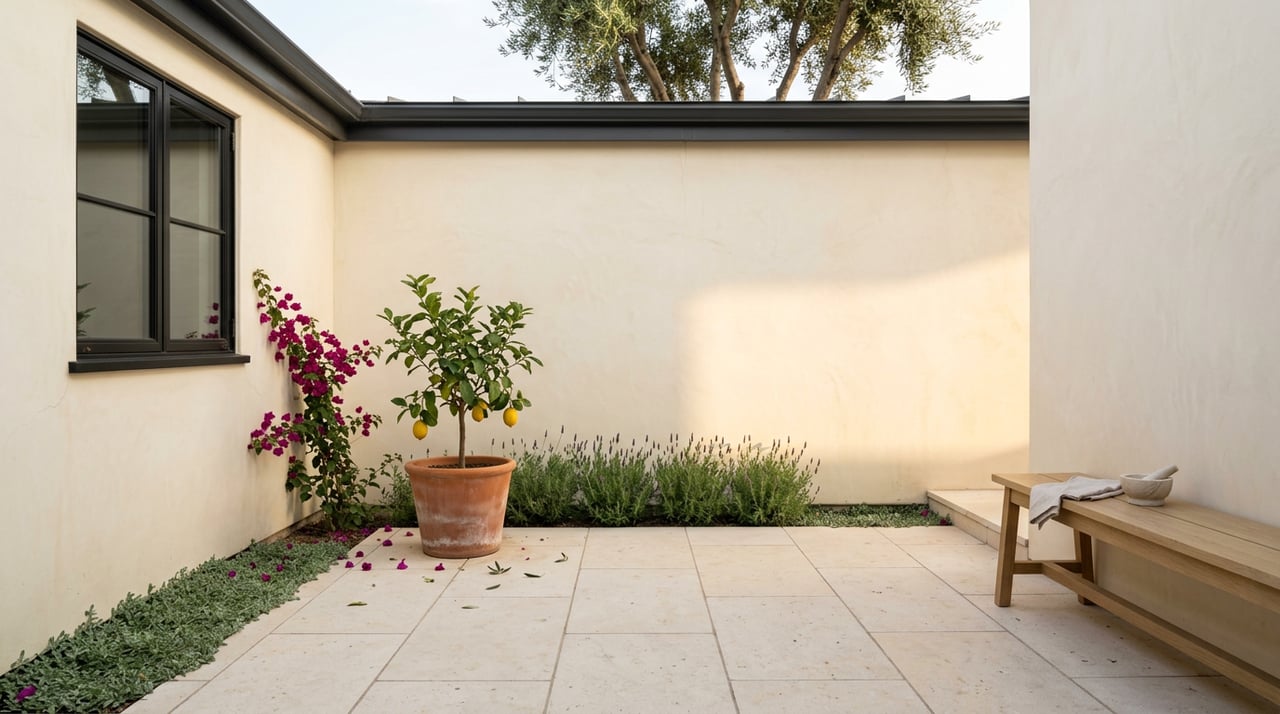
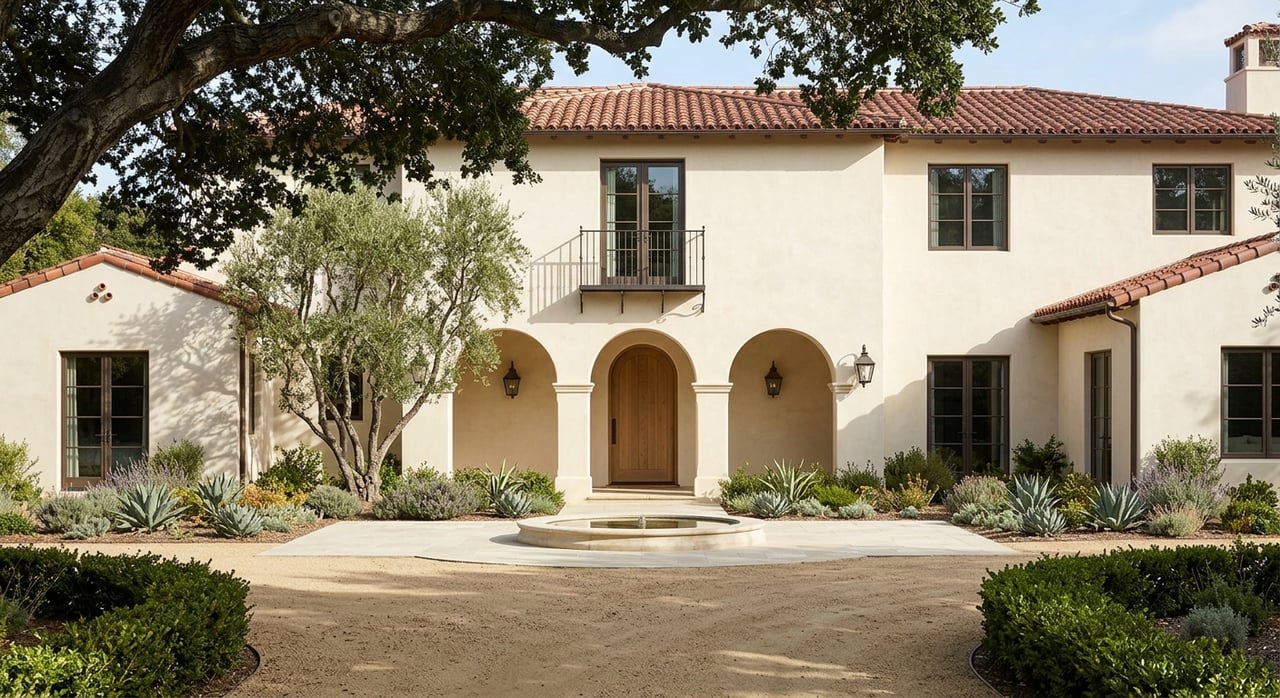
When this style feels authentic, it often reads as highly valuable. Features like stucco walls, clay tile roofs, arches, wrought iron, courtyards, and garden spaces create a strong connection between the home and the land.
The Montecito Architectural Guidelines reinforce that preference for coherence and authenticity. They call for consistency in materials, colors, and details, along with design that blends with vegetation and landforms rather than drawing unnecessary attention to itself.
For buyers, that usually means craftsmanship matters as much as size. For sellers, it means well-preserved architectural character can strengthen a home’s market position when paired with thoughtful presentation and pricing.
Historic Homes Offer Scarcity and Constraints
Montecito’s housing story spans early adobes, large estate development, later subdivision of some estate parcels, and continuing new construction. The community plan identifies more than 60 structures of historic interest in the planning area, including work by Myron Hunt, Bertram Goodhue, Frank Lloyd Wright, and George Washington Smith.
That kind of architectural pedigree can add real scarcity. Landmark properties, historic estates, and older adobes often attract buyers who value provenance, preservation, and the chance to own something that cannot easily be replicated.
At the same time, historic status does not automatically raise value in every case. The local guidelines state that historic landmarks should retain their original character and that additions should not compromise original design.
That can support value by protecting authenticity, but it can also limit flexibility. If you are evaluating a historic property, it is important to weigh prestige and rarity against maintenance needs and renovation limits.
Contemporary Design Can Perform Very Well
Contemporary homes are firmly part of Montecito’s current market. Redfin currently shows nine homes for sale tagged contemporary with a median listing price of $7.47 million.
Local guidelines do not require one historic look. Instead, they allow stylistic variety while still expecting high standards, quiet restraint, and compatibility with neighborhood scale, access, and character.
In practice, that means contemporary homes are not penalized just for being modern. They tend to perform best when they are carefully detailed, tailored to the site, and integrated with the landscape.
A contemporary home that feels generic, oversized, or disconnected from its surroundings may struggle more than one with a strong architectural concept and disciplined execution. In Montecito, design quality tends to matter more than trendiness.
Why Similar Homes Can Sell Far Apart
One of the most important things to understand about Montecito is that two similarly sized homes can trade at very different prices. The difference often starts with the site.
California appraisal guidance notes that lot utility is the governing factor for irregular or oddly shaped lots, and that total lot area is not always the most important factor. The same guidance also notes that a good view tends to increase lot value, while topography and soil conditions can raise building costs.
Montecito’s own rules echo that logic. The guidelines emphasize privacy, views, mature trees, topography, and minimizing visible paving and excessive driveway impact.
That is why a smaller home can outprice a larger one. A more usable lot, better orientation, stronger privacy, better craftsmanship, and more mature landscape can place a property in a completely different value tier.
Architecture and Land Work Together
In Montecito, buyers rarely judge architecture in isolation. They are responding to how the house sits on the site and how naturally the property functions.
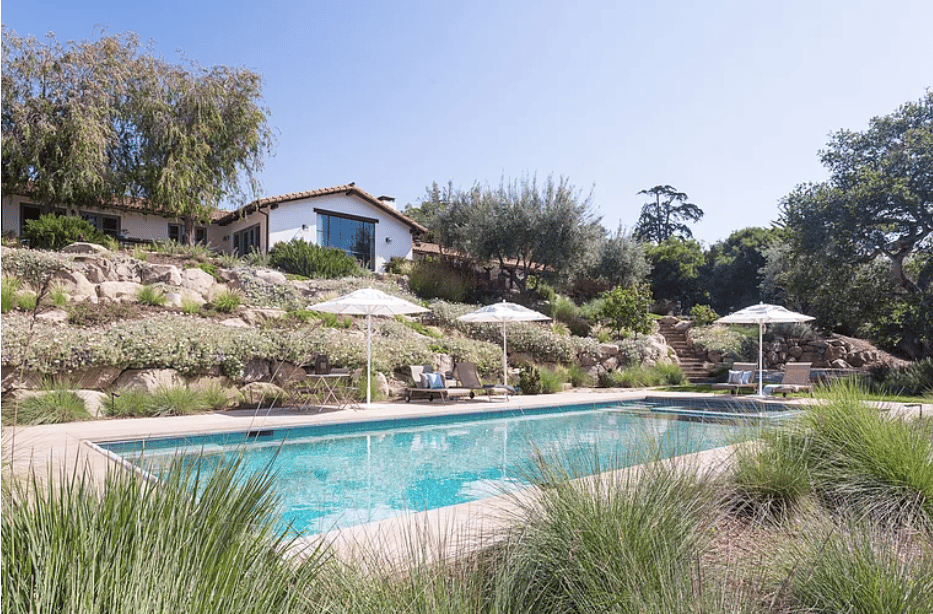
A home with thoughtful placement, preserved trees, strong garden rooms, and a layout that captures privacy and views often feels more complete. Even before a buyer reviews finishes or floor plan details, that sense of fit can shape value.
This is especially true in an area where the local framework encourages design that respects landforms and existing features. Architecture that works with the parcel often feels more timeless, and timelessness tends to support stronger demand.
What Buyers Should Watch For
If you are buying in Montecito, it helps to look beyond style labels. The better question is whether the architecture, site, and landscape feel coherent.
Here are a few value signals worth paying attention to:
- Site fit: Does the home feel well placed on the lot?
- Privacy: Is the property protected from neighboring sightlines and road exposure?
- View orientation: Are key rooms and outdoor areas positioned to take advantage of outlooks?
- Material quality: Do finishes and exterior details feel authentic and durable?
- Landscape maturity: Do trees, gardens, and hardscape add function and character?
- Architectural consistency: Does the design feel resolved, or does it read as pieced together?
- Historic considerations: If applicable, are there limits on changes that could affect future plans?
These factors can help you understand why a home is priced the way it is, and whether that pricing feels justified in the context of the broader Montecito market.
What Sellers Should Keep in Mind
If you are selling, architecture should be part of the value conversation from the start. In Montecito, polished marketing works best when it highlights not just square footage, but also design integrity, site quality, privacy, and landscape character.
That is especially important for distinctive homes. A historic adobe, a Spanish Colonial Revival estate, and a site-sensitive contemporary residence may each appeal to different buyers, but all three benefit from clear positioning and accurate pricing.
The strongest strategy is usually to present the home as a complete property, not just a structure. When buyers understand how the architecture relates to the land and why that combination is hard to duplicate, value becomes easier to defend.
Why Local Guidance Matters
Because Montecito has a specific design framework, local knowledge matters. Understanding how architectural guidelines, parcel characteristics, and buyer expectations intersect can make a meaningful difference whether you are preparing to list or narrowing your search.
This is not a market where price is driven by square footage alone. It is a market where architecture, setting, restraint, and long-term livability often shape the final outcome.
If you want help evaluating how a property’s design may affect its position in the market, Alemann & Associates can help you approach the decision with local insight and strategic clarity.
FAQs
How does architecture affect home values in Montecito?
- Architecture affects value by shaping buyer perception, site compatibility, privacy, views, material quality, and how well a home aligns with Montecito’s local design standards.
What architectural style is most valuable in Montecito?
- There is no single most valuable style, but Spanish Colonial Revival has lasting appeal, while historic and contemporary homes can also command strong prices when they are authentic, well-executed, and well-suited to their sites.
Do historic homes in Montecito always sell for more?
- No. Historic homes may benefit from scarcity and prestige, but preservation requirements, maintenance, and limits on changes can affect value depending on the property.
Are contemporary homes less desirable in Montecito?
- Not necessarily. Contemporary homes can perform very well when they show quiet restraint, high-quality detailing, and strong integration with the landscape and parcel.
Why can two similarly sized Montecito homes have very different prices?
- Price differences often come from lot utility, privacy, views, craftsmanship, landscape maturity, and the overall architectural coherence of the property rather than square footage alone.