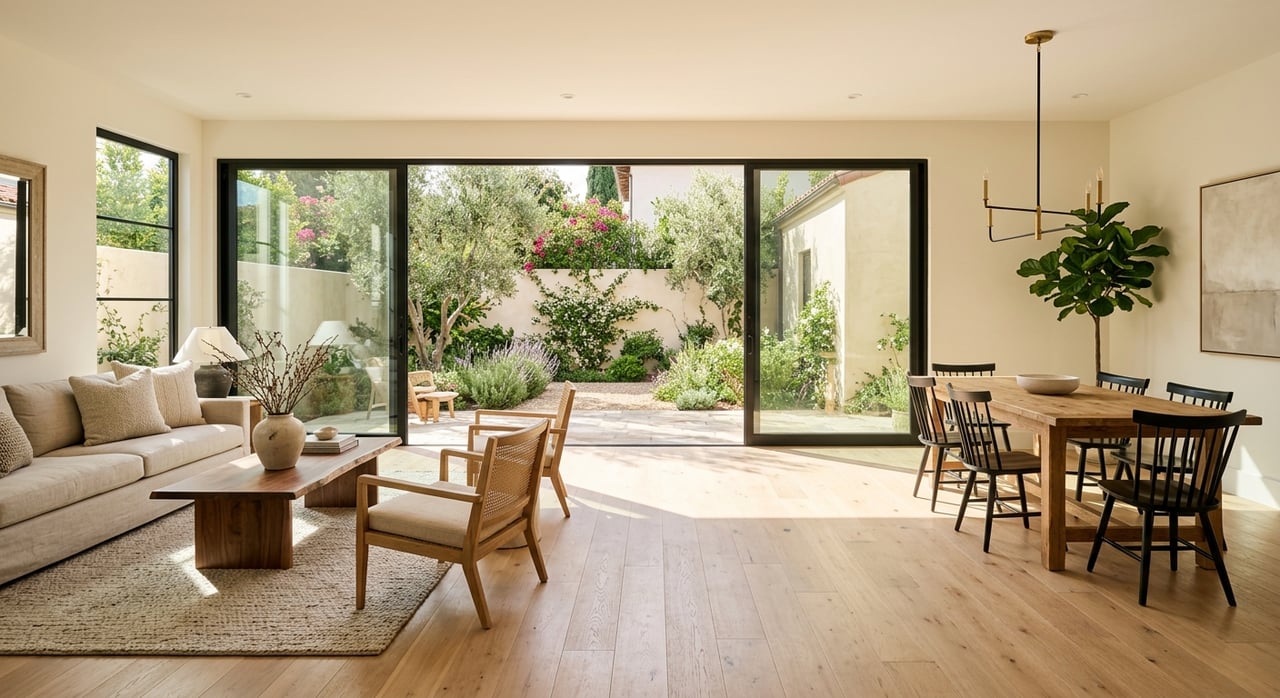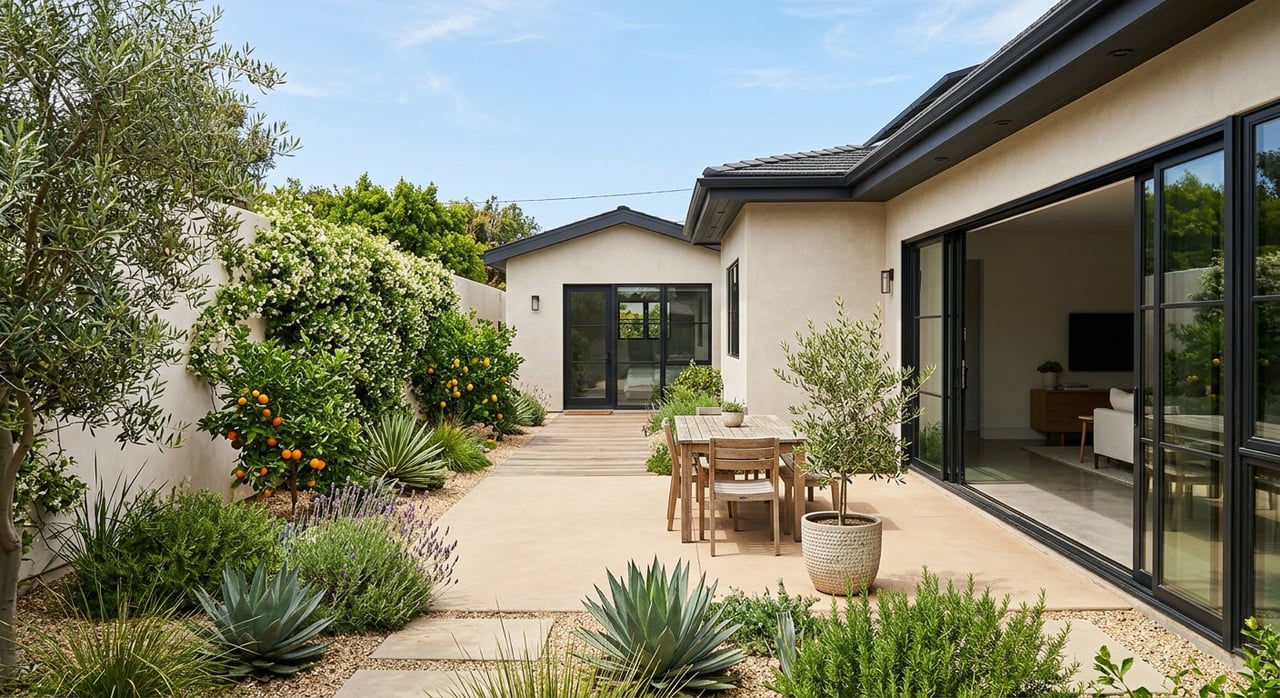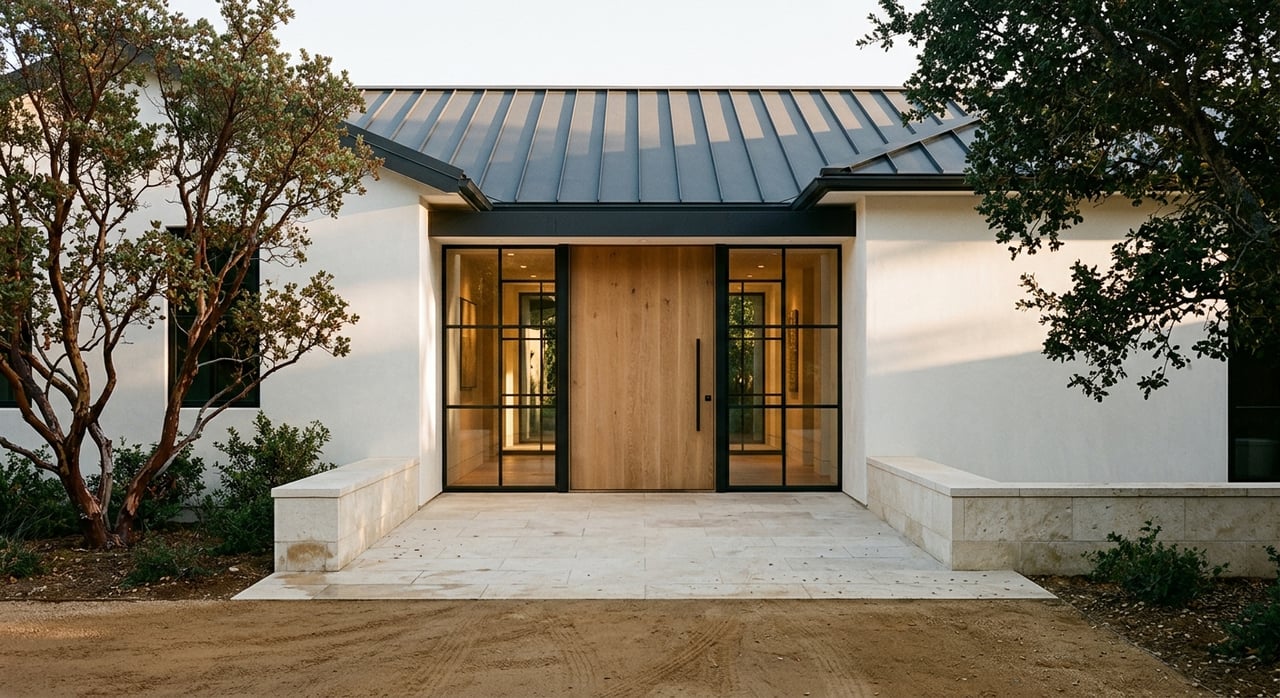
Dreaming about a place where vineyard views, open skies, and quiet mornings replace the pace of city life? Buying a retreat in Santa Ynez Valley can offer exactly that, but the right purchase takes more than falling in love with the setting. If you are considering a second home or weekend escape here, it helps to understand how property type, water, insurance, land use, and financing all shape the experience. Let’s dive in.
Why Santa Ynez Valley Appeals to Retreat Buyers
Santa Ynez Valley stands out because it blends wine-country access with a semi-rural setting. Santa Barbara County planning documents describe the valley as a landscape of compact communities separated by agricultural land and open space, with ranches, vineyards, dry grazing, and equestrian facilities throughout the area.
That setting creates the lifestyle many retreat buyers want: privacy, scenery, and a slower rhythm. At the same time, it is important to understand that valley living is less about immediate coastal convenience and more about space, views, and access to wineries and open land.
The valley is also an established wine region. The TTB recognizes the Santa Ynez Valley AVA along with sub-AVAs including Ballard Canyon, Happy Canyon of Santa Barbara, Los Olivos District, and Sta. Rita Hills.
For many buyers, that wine-country identity is part of the appeal. Solvang notes 18 tasting rooms in town and more than 120 wineries across the Santa Ynez Valley, which helps explain why the area continues to attract second-home and lifestyle-driven buyers.
Location Trade-Offs to Know
Before you buy, it helps to think clearly about access and daily use. Buellton sits on US 101 in the valley, with Santa Barbara about 40 miles southeast and Santa Maria about 35 miles north, while Solvang is roughly 45 miles north of Santa Barbara.
That means your retreat can feel wonderfully removed, but it may also require more driving than a coastal property. Local transit exists, though city materials describe it as a small-town network linking places like Solvang, Buellton, Santa Ynez, and Los Olivos, not a larger urban system.
If your goal is peace, land, and wine-country character, that trade-off may feel worthwhile. If you want fast access to broader amenities, restaurants, or the coast, you should weigh location carefully before choosing a property.
Santa Ynez Valley Property Types
Not every retreat in the valley lives the same way. In most searches, buyers end up comparing three main property profiles.
Ranches and Ranchettes
Ranches and ranchettes usually offer the most land and the greatest sense of privacy. They can be an excellent fit if you want room for outdoor living, equestrian use, or a more secluded retreat setting.
They also tend to come with the most operational due diligence. County documents show that for these parcels, the practical questions often include water source, septic or onsite wastewater treatment, access, and whether future improvements may require county approvals or design review.
Vineyard-Adjacent Homes
Homes near vineyards often deliver the strongest wine-country atmosphere. If your vision includes vine-lined views and a setting that feels connected to the valley’s agricultural identity, this category can be especially appealing.
Still, the setting can come with added context that buyers should understand early. County environmental review materials note that winery and equestrian special-event permits are part of the local land-use pattern, and some areas may also involve lighting controls or seasonal traffic that affects the day-to-day experience.
Village Cottages and In-Town Homes
In-town homes in communities like Solvang, Buellton, and Santa Ynez usually offer simpler ownership. You may give up acreage and some privacy, but you often gain easier maintenance and more direct access to local services.
This can matter for second-home buyers who want a lower-maintenance retreat. Buellton and Solvang both have municipal utility infrastructure, and Solvang city materials specifically describe in-town water, wastewater, and transit services.
How to Choose the Right Retreat Style
The best property for you depends on how you plan to use it. A more rural parcel may look ideal in photos, but your comfort with systems, maintenance, and distance should play a major role in the decision.
A simple way to compare options is to focus on three questions:
- How much privacy do you want?
- How much maintenance are you willing to manage?
- How important is convenience to town services and daily essentials?
If you want a lock-and-leave second home, an in-town property may be the easiest fit. If you want a more immersive retreat experience, a ranch, ranchette, or vineyard-adjacent home may be worth the added diligence.
Financing a Santa Ynez Valley Retreat
One of the first financing questions is whether the property will be treated as a second home or an investment property. That distinction can affect loan terms, cash needed, reserve requirements, and underwriting.
Fannie Mae states that a second home must be a one-unit property that you occupy for some portion of the year, that is suitable for year-round occupancy, under your exclusive control, and not subject to a management agreement that controls occupancy. It also cannot be a timeshare or rental property for second-home classification under those guidelines.
For buyers thinking about occasional rental use, details matter. Fannie Mae notes that if rental income exists but is not used to qualify, the property can still be treated as a second home if the other requirements are met.
Current published lending matrices from Fannie Mae and Freddie Mac show up to 90% maximum LTV for a one-unit second home. Fannie Mae also notes that if your LTV is above 80%, you must contribute at least 5% from your own funds, and reserve requirements also apply to second-home and investment-property transactions.
Ownership Costs Beyond the Purchase Price
When you budget for a Santa Ynez Valley retreat, look beyond principal and interest. Property taxes, insurance, utilities, and site-specific maintenance can all affect the true cost of ownership.
In California, the homeowners’ exemption applies only to a qualifying owner-occupied principal residence. That means a second home generally does not receive that property-tax break.
Insurance also deserves early attention. The California Department of Insurance recommends shopping and comparing residential insurance carefully, and notes that the FAIR Plan is a last-resort option when coverage is difficult to obtain, with limited coverage and optional extended coverage available at extra cost.
In a wine-country area, wildfire hardening, defensible space, and insurance availability can all influence your monthly and annual carrying costs. For some buyers, this becomes just as important as mortgage planning.
Due Diligence That Matters Most
In Santa Ynez Valley, practical due diligence is often what separates a smooth purchase from a frustrating one. The more rural the property, the more important it becomes to confirm systems and land-use conditions before contingencies are removed.
Water and Septic
Water is one of the biggest issues in valley ownership. The Santa Ynez River Valley Groundwater Basin underlies Buellton, Solvang, and Santa Ynez, and the California Department of Water Resources reports average annual precipitation of about 17 inches across the valley.
County code and environmental health materials show that private water systems, wells, and onsite wastewater treatment systems are regulated locally. For lots without a community water system, the county requires written notice that a private water supply is at the purchaser’s risk and expense, and county review may require well logs, contamination-source review, and water-quality testing.
If a property uses a private well or septic system, verify those details early. Water source, well history, testing, and septic condition should all be part of your review.
Wildfire and Flood Checks
Wildfire and flood exposure should also be screened early in the process. CAL FIRE states that fire hazard severity zones are official hazard maps, not guarantees of risk, but they remain an important tool when evaluating a property.
Santa Barbara County flood-control materials also note that FEMA is revising special flood hazard maps for parts of Buellton, Solvang, and Santa Ynez. The county also operates a Santa Ynez River storm-monitoring system for flood-hazard areas along the river.
For a buyer, the practical takeaway is straightforward:
- Check the address on the applicable fire hazard map
- Review flood-map status before removing contingencies
- Evaluate insurance availability at the same time
Land Use and Future Improvements
Many retreat buyers picture adding a pool, patio, barn, guest-oriented outdoor spaces, or new exterior lighting. In the valley, those plans may be shaped by local land-use rules.
County planning documents state that some areas fall under design control overlay and community-separator protections, with non-exempt development subject to county architectural review. The same documents note outdoor lighting rules in parts of the Santa Ynez Valley Community Plan area.
That does not mean improvement plans are impossible. It does mean you should confirm what is allowed before assuming a future project will be simple.
A Smart Buying Approach
A successful retreat purchase in Santa Ynez Valley usually balances lifestyle with verification. Beautiful views and acreage matter, but so do water reliability, access, hazard review, insurance terms, and clarity around future use.
A practical buying process often includes:
- Clarifying whether the home will be a second home or investment property
- Confirming whether water comes from a city system, mutual system, or private well
- Determining whether septic or OWTS is involved
- Reviewing fire hazard and flood-map status early
- Asking whether planned improvements could trigger county review
- Stress-testing the carrying costs, including insurance and maintenance
When you approach the purchase this way, you are more likely to end up with a retreat that supports both your lifestyle and your long-term financial comfort.
Santa Ynez Valley offers a distinctive kind of escape. If you want open space, wine-country character, and a property that feels set apart from the pace of the coast, it can be a compelling place to buy, provided you match the romance of the setting with disciplined local due diligence.
If you are considering a retreat purchase in Santa Ynez Valley, working with an advisor who understands both the lifestyle side and the practical side of the decision can make all the difference. Connect with Alemann & Associates for strategic guidance tailored to Santa Barbara County real estate.
FAQs
What makes Santa Ynez Valley appealing for a retreat home?
- Santa Ynez Valley offers a semi-rural setting, established wine-country identity, open space, and access to wineries, with compact communities separated by agricultural land and rural uses.
What property types should buyers compare in Santa Ynez Valley?
- Most buyers compare ranches and ranchettes, vineyard-adjacent homes, and village cottages or in-town houses, each with different trade-offs in privacy, maintenance, and convenience.
What should buyers know about financing a second home in Santa Ynez Valley?
- Lenders generally distinguish second homes from investment properties based on occupancy, exclusive control, and management or rental arrangements, and those rules can affect down payment, reserves, and underwriting.
Why is water due diligence important for Santa Ynez Valley properties?
- Many rural properties rely on private wells or other non-municipal systems, and local rules may require written notice, well documentation, contamination review, and water-quality testing.
How should buyers check wildfire and flood concerns in Santa Ynez Valley?
- Buyers should review the property address against applicable fire hazard and flood maps before removing contingencies and evaluate insurance availability at the same time.
Can future improvements on a Santa Ynez Valley retreat face local review?
- Yes. Some valley areas are subject to design control overlay, community-separator protections, and outdoor lighting rules that can affect additions and exterior improvements.